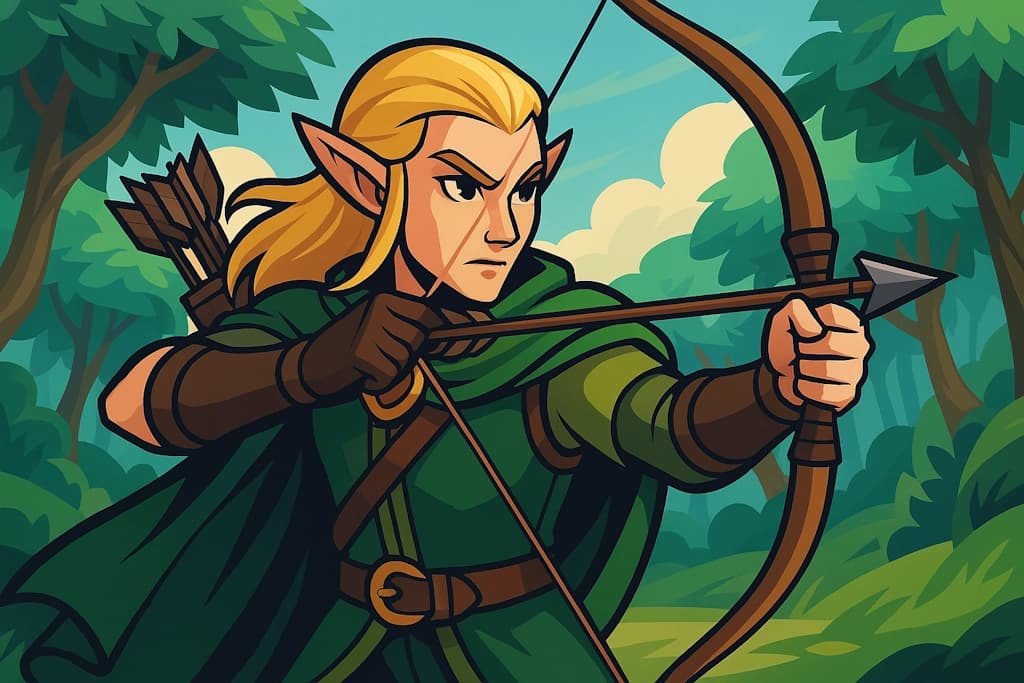
400+ Best Elf Names: Female, Elven, and Elvish Ideas
A curated collection of elf names, female elf names, elven house names, and elvish-sounding ideas for fantasy characters.
Quick Answer: Best Elf Names
Strong elf names sound melodic, ancient, and easy to pronounce: Aelindra, Thalion, Elowen, Caelynn, Aerandir, Lirael, Sylvaris, Arannis, Galadriel, Legolas, and Elrond all show the style. Female elf names often lean toward soft endings and bright vowel sounds, while high elf and elvish names may feel longer, older, and more ceremonial.
This article is a curated list and naming guide. If you need a tool that creates new combinations instantly, use the elf name generator. For darker variants, see our dark elf and drow names guide. For mixed human-elven characters, see our half-elf names guide.
Inline generator
Generate mixed names here
Use the matching Try our elf name generator without leaving the article. Pick a style, generate fresh names, and copy the good ones.
The Mystical World of Elves: Ancient Beings of Grace and Magic
Elves have captivated human imagination for millennia, appearing in folklore and mythology across numerous cultures before becoming staples of modern fantasy literature. These ageless, magical beings embody the perfect harmony between wisdom and beauty, their long lives granting them deep connections to nature, arcane knowledge, and the fundamental forces of creation. For a detailed look at how their naming traditions compare to their dark-dwelling cousins, see our high elf vs dark elf naming comparison. For a broader look at how different fantasy races approach naming, see our guide on types of fantasy names by race.
Ancient Origins and Cultural Evolution
The concept of elves has roots stretching back to Norse mythology, where the Álfar were supernatural beings associated with fertility and nature. These early elves were considered minor deities rather than a separate race, often connected to the Vanir gods who governed the natural world. In Germanic folklore, elves (or "lben") were mischievous spirits capable of causing disease but also bestowing blessings. Medieval European traditions transformed elves into diminutive, sometimes malevolent creatures who played tricks on humans—a far cry from the noble beings of modern fantasy. The modern conception of elves as tall, beautiful, and wise beings largely stems from J.R.R. Tolkien's influential works, where he reimagined them as an ancient race of immortal beings with deep connections to nature and magic.
Key Fact:Modern elven portrayal as tall, beautiful, and wise immortals largely stems from Tolkien's reimagining. Norse mythology's Álfar were minor deities of fertility, while medieval European folklore depicted elves as diminutive tricksters—radically different from today's fantasy elves.
Elven Societies and Culture
Across fantasy traditions, elven societies are typically portrayed as ancient, sophisticated civilizations existing in harmony with the natural world. They often establish their realms in pristine forests, hidden valleys, or mystical realms separated from human lands. Elven architecture seamlessly integrates with natural surroundings—their structures grow with living trees or utilize organic designs that enhance rather than dominate landscapes. Governed through councils of elders or noble houses that trace lineages back thousands of years, elven political systems balance tradition with wisdom. Their artistry reflects centuries of refinement, producing works of unmatched beauty in music, poetry, smithing, and enchantment. Elven craftsmanship isn't merely functional but imbued with magic and meaning, each creation telling a story or preserving memories that might otherwise fade even from their long-lived memories.
Legendary Elves Through History
Throughout mythology and modern fantasy, several elves have achieved legendary status:
Legolas Greenleaf: Prince of the Woodland Realm and member of the Fellowship of the Ring, renowned for his unparalleled archery skills and agility. Throughout Tolkien's works, Legolas demonstrates the exceptional physical abilities of elves, walking atop snow without sinking and spotting riders at impossible distances.
Lady Galadriel: One of the most powerful elves in Middle-earth, bearer of Nenya (the Ring of Water), and ruler of Lothlórien. Galadriel exemplifies the ancient wisdom and magical prowess of elder elves, having lived through multiple ages and witnessed the rise and fall of kingdoms.
Drizzt Do'Urden: The famous dark elf (drow) ranger who rejected his people's evil ways, becoming a symbol of redemption and moral courage in R.A. Salvatore's Forgotten Realms novels. Drizzt has become an iconic character representing the struggle against cultural determinism.
Elrond Half-elven: Lord of Rivendell who chose the immortal life of elves despite his mixed heritage. As a loremaster and healer, Elrond represents the elven commitment to preserving knowledge and history through the ages.
Physical Characteristics and Appearance
Elves are distinguished by several distinctive physical traits that set them apart from humans:
Pointed Ears: The most recognizable feature of elves, their ears taper to elegant points, varying in length and angle depending on elven subrace. These ears aren't merely decorative—they provide enhanced hearing that allows elves to detect sounds inaudible to other races.
Slender Physique: Typically taller than humans but with lighter builds, elves possess a natural grace that makes their movements appear fluid and effortless. Their bodies are perfectly proportioned with long limbs and slender fingers ideal for delicate crafts and precise archery.
Striking Features: Elves possess high cheekbones, almond-shaped eyes, and fine features that convey an otherworldly beauty. Their eyes often contain unusual colors like violet, silver, or gold, sometimes with pupils that reflect light like a cat's in darkness.
Agelessness: Once reaching adulthood, elves show few signs of aging for centuries. Their skin remains unmarked by wrinkles, and their hair doesn't gray with age. This external youthfulness belies the ancient wisdom visible in their eyes.
Magical Abilities and Special Traits
Elves possess innate magical abilities that manifest in various ways:
Longevity: Perhaps their most defining trait, elves are virtually immortal by human standards, with lifespans measured in millennia rather than decades. This extended life allows them to master multiple disciplines and witness the rise and fall of civilizations.
Enhanced Senses: Elves perceive the world with greater clarity than other races. Many can see clearly in near-darkness, distinguish minute details at great distances, and hear whispers from remarkable ranges. Some traditions suggest they can perceive magical auras or sense disturbances in natural harmony.
Natural Magic: Magic flows through elven bloodlines, manifesting in different ways depending on tradition. Some elves can commune with plants and animals, while others possess innate spellcasting abilities. This natural affinity for magic makes them exceptional enchanters, capable of creating artifacts of tremendous power—rivaling even the arcane mastery found in wizard naming traditions.
Dreamwalking: In many traditions, elves don't sleep as humans do but instead enter a meditative trance called "reverie" where they remain semi-aware of their surroundings while accessing ancestral memories. Some elder elves can deliberately enter the dreams of others, communicating across vast distances or offering guidance.
Key Fact:Elven immortality allows them to master multiple disciplines and witness civilizations rise and fall over millennia. Their lifespans measured in thousands of years enable accumulated wisdom unmatched by shorter-lived races, making elder elves repositories of ancient knowledge.
Major Elven Subraces
Across fantasy traditions, several distinct elven subraces have emerged, each with unique characteristics:
High Elves: The most magically adept elven subrace, high elves often establish sophisticated civilizations focused on arcane knowledge and magical artistry. Typically fair-skinned with hair in shades of gold, silver, or black, they value intellectual pursuits and magical innovation. Their societies feature towering spires, magical academies, and vast libraries preserving knowledge from ages past.
Wood Elves: Forest-dwelling elves with deep connections to wildlife and plant life, wood elves live in harmony with natural environments rather than reshaping them. More rustic than their high elf cousins, they excel in ranger skills like tracking, archery, and stealth. Their skin often carries copper or bronze tones, with hair in earthy browns, reds, and greens, providing natural camouflage in forest environments.
Dark Elves (Drow): Subterranean elves adapted to life in the Underdark, with obsidian skin and pale hair. In many settings, drow societies are notorious for their ruthlessness and worship of dark deities, though individual dark elves may reject these cultural norms. Explore our in-depth article on dark elf and drow names for more. Their eyes are adapted to see in complete darkness, and they possess unique magic focused on shadow, poison, and domination.
Sea Elves: Aquatic elves who dwell in underwater kingdoms, featuring gills, webbed hands, and scales in blue-green tones. They craft coral castles and develop unique magic harnessing water and marine life. Sea elves maintain the longest lifespans of all elven kinds, with some elders remembered only in myth having witnessed the shaping of oceans themselves.
Elven Naming Traditions
Elven names are more than simple identifiers—they are statements of identity, lineage, and destiny:
Name Components: Traditional elven names often include multiple elements: a personal name given at birth, family or house names indicating lineage, and sometimes titles earned through deeds or reflecting connection to natural elements. These components can create lengthy full names used in formal situations, while everyday use might involve a shortened version.
Phonetic Qualities: Elven languages and names typically feature melodic sounds with flowing transitions between syllables. Names often include numerous vowels and soft consonants like 'l', 'r', 'n', 's', and 'th'. The rhythmic, almost musical quality of elven names reflects their connection to song and poetry.
Nature Elements: References to natural phenomena appear frequently in elven names. Celestial bodies (stars, moon, dawn), plants (particularly trees, flowers, and leaves), seasons, and elemental forces all serve as inspiration for naming traditions that honor the natural world.
Growing Names: In some elven cultures, names evolve throughout an individual's life. An elf might receive a birth name that changes or expands as they mature and have significant experiences. By the time an elf reaches advanced age, their name might include elements representing major life achievements, creating names that tell a life story.
Key Fact:Elven names feature melodic phonetics with flowing vowels and soft consonants (L, R, N, S, TH), creating musical qualities that reflect their connection to song and poetry. Names often include nature references—celestial bodies, trees, seasons—honoring their bond with the natural world.
Female Elf Names and Soft Elvish Patterns
Female elf names usually carry a bright, lyrical finish: Elowen, Lirael, Aelindra, Caelynn, Arwen, Althaea, and Sylvara all end with sounds that feel light without becoming fragile. The pattern is not about making every name delicate. A good female elf name can belong to a queen, ranger, war mage, healer, exile, or sea captain. What matters is the musical line. Softer consonants, open vowels, and nature-rooted pieces help the name feel elven before the reader knows anything else about the character.
For a playable character, pair the first name with a house name, forest title, or earned epithet. Caelynn Moonbrook feels different from Caelynn Starforge, even though the first name stays the same. The first suggests rivers and woodland courts; the second suggests arcane craft or celestial smithing. That extra layer is where female elf names become story hooks rather than pretty sounds.
Elvish Names vs. Elven Names
Readers often search for elvish names when they want a name that sounds as if it came from an elvish language. Elven names are the broader category: any name used by an elf. Elvish names focus more on the sound system itself—the flowing vowels, soft consonant clusters, and old-world rhythm associated with fantasy languages. You do not need to build a complete language to create the effect, but you should stay consistent. If one noble house uses airy endings like -iel and -ael, avoid dropping in harsh unrelated endings unless the character comes from another culture.
The easiest test is to say the name aloud. A convincing elvish name should glide rather than clatter. It can still be strong: Thalion, Aerandir, and Celethor sound disciplined and heroic, not soft. If you want more controlled variation, the elf name generator can produce tool-based options while this article keeps the curated list and explanation in one place.
Modern Influence and Cultural Impact
Elves have become essential figures in modern fantasy, representing ideals of beauty, wisdom, and harmony with nature. From Tolkien's Middle-earth to contemporary works like D&D settings, video games, and fantasy literature, these magical beings continue to evolve while maintaining their core essence. Understanding D&D naming conventions by race can help you create authentic elven characters for tabletop games. They often serve as foils to human characters—their long lives providing perspective on mortal concerns while their ancient traditions contrast with human progress and change. Elven aesthetics share interesting parallels with fairy naming traditions and contrast sharply with the rugged conventions of dwarf names. The popularity of elven aesthetics extends beyond fiction into fashion, art, and even philosophy, where their harmonious relationship with nature resonates with environmental movements. As fantasy continues to influence mainstream culture, elves remain powerful symbols of alternative ways of being: more connected to nature, less concerned with material gain, and balancing tradition with timeless wisdom.
How to Choose the Perfect Elven Name
Creating an authentic elven name requires understanding their culture, phonetics, and naming traditions. Follow these steps to craft the perfect name for your character:
1
Consider the Elven Subrace
Choose a name style that matches your elf type: High Elves favor sophisticated, arcane-themed names; Wood Elves prefer nature-based names; Dark Elves (Drow) use harsh consonants and shadow themes; Sea Elves incorporate aquatic and flowing sounds.
2
Include Nature Elements
Incorporate references to natural phenomena in the name. Draw inspiration from celestial bodies (stars, moon, dawn), plants (trees, flowers, leaves), seasons, or elemental forces that reflect the elven connection to the natural world.
3
Use Melodic Phonetic Qualities
Create names with flowing, musical sounds using numerous vowels and soft consonants like "l", "r", "n", "s", and "th". Ensure smooth transitions between syllables to capture the characteristic elven rhythm.
4
Add Meaningful Name Components
Structure the name with multiple elements: a personal name given at birth, family or house names indicating lineage, and optional titles earned through deeds. These components can create formal full names while allowing shortened versions for everyday use.
5
Consider Using a Name Generator
Use the elf name generator tool to create authentic-sounding names that follow traditional elven naming conventions and capture the mystical heritage of these fantasy beings.
Elven Name Pronunciation Guide
Elven names follow melodic pronunciation patterns that emphasize flowing vowels and soft consonants. Here are key guidelines for authentic elven name pronunciation:
th- soft “th” as in “think” (Thranduil = THRAN-doo-eel)
nd - both sounds clear (Elrond = EL-rohnd)
ll- soft “l” sound (Elrohir = EL-roh-heer)
rn- rolled “r” (Narn = NAHRN)
w- pronounced as “v” in some contexts
Elven Character Background Suggestions
Create rich backgrounds for your elven characters by considering their age, homeland, and life experiences. Each name category suggests different character archetypes:
High Elves
Noble scholars from crystal cities, masters of arcane arts, keepers of ancient libraries, diplomatic ambassadors, or exiled nobility seeking redemption. Often 200-800 years old.
Wood Elves
Forest guardians, skilled rangers and hunters, druids communing with nature spirits, tribal shamans, or wanderers who left their woodland home. Typically 100-500 years old.
Dark Elves
Exiled surface dwellers, reformed underdark survivors, shadow magic practitioners, or rebels fleeing their society’s cruelty. Often carry complex moral burdens.
Sea Elves
Ocean explorers, underwater city dwellers, ship captains and navigators, or coastal diplomats bridging land and sea communities. Masters of water magic.
Most Famous Elves
Throughout mythology, literature, and popular culture, certain elves have achieved legendary status for their remarkable stories and symbolic significance. These famous elves have appeared in beloved tales, ancient legends, and modern media, each bringing their own unique magic and wisdom to the elven mythology. From Tolkien's majestic high elves to house-elves of Harry Potter and the skilled warriors of various fantasy worlds, these iconic elves have captured imaginations and become enduring symbols of grace, magic, and immortal wisdom.
1
Legolas
Skilled archer and member of the Fellowship of the Ring in J.R.R. Tolkien's "The Lord of the Rings"
2
Galadriel
Powerful Elven queen of Lothlórien in Tolkien's Middle-earth, bearer of Nenya, one of the three Elven rings
3
Elrond
Half-elven lord of Rivendell and father of Arwen in Tolkien's works
4
Arwen Undómiel
Daughter of Elrond who chose mortality for her love of Aragorn in "The Lord of the Rings"
5
Celeborn
Lord of Lothlórien and husband of Galadriel in Tolkien's mythology
6
Thranduil
Elvenking of the Woodland Realm in "The Hobbit" and father of Legolas
7
Drizzt Do'Urden
Famous dark elf ranger from R.A. Salvatore's Forgotten Realms novels
8
Dobby
Loyal house-elf who helped Harry Potter in J.K. Rowling's series
9
Kreacher
House-elf serving the Black family in Harry Potter, initially hostile but later loyal
10
Winky
House-elf dismissed by Barty Crouch Sr. in the Harry Potter series
11
Haldir
Elf of Lothlórien who guided the Fellowship through the Golden Wood in "The Lord of the Rings"
12
Glorfindel
Ancient Elf-lord who returned from the Halls of Mandos in Tolkien's mythology
13
Tauriel
Silvan Elf warrior introduced in Peter Jackson's "The Hobbit" film trilogy
14
Elrohir and Elladan
Twin sons of Elrond who fought alongside the Rangers of the North
15
Fingolfin
High King of the Noldor who dueled Morgoth, the Dark Enemy, in Tolkien's "The Silmarillion"
16
Fëanor
Greatest of the Noldor Elves, creator of the Silmarils in "The Silmarillion"
17
Lúthien Tinúviel
Half-elven princess who gave up immortality for love in Tolkien's earliest tales
18
Celebrimbor
Elven smith who forged the Rings of Power in Tolkien's legendarium
19
Gil-galad
Last High King of the Noldor who fought in the Last Alliance against Sauron
20
Arya Dröttningu
Elf princess and skilled warrior from Christopher Paolini's "Inheritance Cycle"
Top 100+ Male Elven Names
Male elven names typically embody strength, wisdom, and connection to natural elements. These names often feature flowing syllables and musical qualities that reflect the melodic elven languages. Drawing from fantasy traditions and mythological roots, these names combine elegance with power, incorporating elements like stars, trees, wind, and ancient magic. The rhythmic, almost poetic nature of elven male names reflects their long lifespans and deep connection to art, nature, and arcane knowledge.
1
Aegnor Flamebearer
2
Aldarion Treemaster
3
Amras Swiftarrow
4
Amroth Goldentree
5
Aranwë Kingswind
6
Beleg Strongbow
7
Celeborn Silvertree
8
Celebrimbor Silverhand
9
Círdan Shipwright
10
Daeron Songmaster
11
Duilin Swiftfoot
12
Eärendil Starbearer
13
Ecthelion Fountainlord
14
Elemmakil Starcrystal
15
Elrond Halfelven
16
Erestor Lorekeeper
17
Fëanor Spiritoffire
18
Finrod Faithfulfriend
19
Fingolfin Valiantsword
20
Gil-galad Starlight
21
Glorfindel Goldenhair
22
Haldir Tallspear
23
Ingwë Firstborn
24
Legolas Greenleaf
25
Lindir Songbird
26
Mablung Heavyhanded
27
Maeglin Sharpglance
28
Maglor Goldensong
29
Maedhros Tallone
30
Orodreth Mountainlord
31
Oropher Beechmaster
32
Orophin Mountainpeak
33
Saeros Bitterspear
34
Thingol Greymantle
35
Thranduil Vigorous Spring
36
Turgon Wiseleader
37
Voronwë Steadfast
38
Aearion Seawalker
39
Aiwendil Birdtamer
40
Aranel Kingprince
41
Arthon Nobleheart
42
Calenmîr Greentreasure
43
Caranthal Redstalwart
44
Dalior Nightshade
45
Elandor Starpath
46
Eredhon Seedkeeper
47
Faelar Spiritward
48
Faeranduil Spiritfriend
49
Galanodel Moonwhisperer
50
Gildor Wanderer
51
Hadarai Lightseeker
52
Haladar Tallcrown
53
Ilivan Moonblade
54
Ivandir Starblade
55
Keltharian Riverheart
56
Laerros Summersong
57
Lólindir Dreamflower
58
Maegluin Sharpriver
59
Morloth Blackflower
60
Naethir Loreteller
61
Nemirion Waterstar
62
Oristian Forestwarden
63
Paeral Woodrunner
64
Revion Wanderer
65
Riardon Kingsheir
66
Sylvahrin Forestlord
67
Taenaron Forestriver
68
Theren Longwalker
69
Thervan Huntmaster
70
Unaril Moonfire
71
Vaeril Windborn
72
Valendrian Elderman
73
Virion Greentree
74
Adran Darkshadow
75
Aelrindel Blessedstar
76
Aerendyl Poolwater
77
Aimer Jewelprince
78
Alok Guardianspirit
79
Arbane Silverhair
80
Arondir Forestkeeper
81
Berarian Valiantprotector
82
Caladrel Lightbringer
83
Caranthir Redfaced
84
Coraith Roundelf
85
Drannor Lightrider
86
Elderath Starwatcher
87
Erevan Irisflower
88
Eryndir Forestwarden
89
Faerandil Springspirit
90
Fenris Wolfhunter
91
Gaelin Joybreeze
92
Halueth Windchaser
93
Immeral Goldleaf
94
Ivellios Starbrother
95
Jhaan Moonseeker
96
Kelwyn Oakkind
97
Laucian Winterblade
98
Lhoris Dreamweaver
99
Mindartis Towercrown
100
Navarre Wanderlust
101
Noraver Windwalker
102
Orivon Flamespear
103
Pharom Starshield
104
Pyrder Mysticflame
105
Quinar Bowmaster
106
Rolen Moonshadow
107
Selmer Silverbrook
108
Silvanus Woodkeeper
109
Taegen Arrowflight
Top 100+ Female Elven Names
Female elven names blend grace, mystery, and natural beauty, often featuring soft, flowing sounds and multiple syllables. These names typically incorporate elements of starlight, flowers, seasons, and magical phenomena, reflecting the deep connection elven cultures maintain with the natural world. The ethereal quality of these names captures the timeless beauty and wisdom attributed to elven women in fantasy traditions, while their musical rhythms hint at the importance of song and poetry in elven societies across countless worlds.
1
Aerith Moonwhisper
2
Alassë Starweaver
3
Amarië Lightfoot
4
Arwen Evenstar
5
Alatáriel Silverleaf
6
Arien Dawnlight
7
Belethiel Windwalker
8
Calathiel Moonshadow
9
Celebrían Twilightdancer
10
Daealla Nightsong
11
Elanor Duskweaver
12
Eiliandel Leafwhisper
13
Elemmírë Starsong
14
Elerrina Wildheart
15
Elwing Sunshimmer
16
Elanor Riverglide
17
Elweth Songweaver
18
Estelindë Dreamseeker
19
Faelwen Silverglade
20
Finduilas Swiftshadow
21
Galadriel Lightbringer
22
Gwenel Morningdew
23
Gwilwileth Duskfall
24
Ioreth Starsinger
25
Idril Crystalfoot
26
Isilmë Moonglow
27
Lalaith Joykeeper
28
Lúthien Nightingale
29
Laurelindë Goldenvoice
30
Míriel Silvertongue
31
Melian Enchantress
32
Morwen Dawndancer
33
Nessa Swiftrunner
34
Niphredil Frostblossom
35
Nimrodel Streamdancer
36
Olwen Snowblossom
37
Quessë Leafwhisperer
38
Ravenna Shadegrove
39
Sairalindë Blossomweaver
40
Silwen Moonpool
41
Tauriel Woodwalker
42
Thinuviel Stardancer
43
Tinaelin Shadowheart
44
Undómiel Twilightstar
45
Vanimeldë Songkeeper
46
Varda Starqueen
47
Wilwarindë Butterflykeeper
48
Yavanna Fruitgiver
49
Zandra Nightweaver
50
Aerin Flameheart
51
Alassiel Greenleaf
52
Anawyn Dreamwalker
53
Belethil Silverwater
54
Calathiel Stardust
55
Caladwen Lightblade
56
Ellarian Frostwhisper
57
Elanesse Starseeker
58
Elindra Dewdancer
59
Faelwen Mistwalker
60
Faelivrin Glasswater
61
Gaelira Moonglow
62
Gilraen Starflower
63
Haleth Windseeker
64
Ithilwen Moondaughter
65
Isarrel Goldenhair
66
Laeriel Fernwhisper
67
Lenwë Dreamweaver
68
Lothiriel Seasong
69
Melethril Lovesong
70
Mirimë Jewelgiver
71
Nellas Woodspirit
72
Nienna Sorrowhealer
73
Orodreth Mountainkeeper
74
Primula Wildflower
75
Raina Rainbringer
76
Seren Starblade
77
Silmaril Jewellight
78
Solora Sunkeeper
79
Tiriel Watchmaiden
80
Thalanil Treewalker
81
Undiel Twilightbringer
82
Vanya Fairheart
83
Varda Starmother
84
Willow Windwhisperer
85
Xandria Skydancer
86
Yelena Lifebearer
87
Alassien Windflower
88
Baelara Nightbloom
89
Caladria Dawnseeker
90
Drelania Frostleaf
91
Elenwe Riverstone
92
Falathiel Stormrider
93
Gwyneira Snowlily
94
Hiralia Sunblossom
95
Ithilien Moonblade
96
Jessamine Woodland
97
Keiriana Flamekeeper
98
Lyralin Songstress
99
Merenwen Oceansong
100
Naledi Stargazer
101
Opaline Gemkeeper
102
Phenaya Lifebringer
103
Quildara Spiritwalker
104
Ravenna Nightshade
High Elven Names
High elven names radiate sophistication and arcane power, characterized by elegant syllables and musical cadence. Their naming conventions often incorporate magical concepts, celestial imagery, and references to ancient arcane knowledge. High elves favor names with associations to stars, light, crystals, and spellcraft, reflecting their deep connection to the arcane arts and their role as keepers of ancient magical wisdom. These names carry an air of nobility and refinement, befitting the cultured and magically adept societies of the high elves.
1
Aerendyl Starweaver
2
Aelar Moonshadow
3
Aithlin Silverleaf
4
Althaea Lightbringer
5
Anarion Spellwind
6
Arathel Twilightspire
7
Aravae Crystalheart
8
Aramil Arcaneweaver
9
Arannis Firemind
10
Baelen Highcrest
11
Caladrel Starsong
12
Calathiel Moonblade
13
Celethor Spellshaper
14
Darathar Goldenheart
15
Elindra Dawnstrider
16
Elanil Luminara
17
Evindal Sunfire
18
Faelyn Truesight
19
Gaerlan Skywatcher
20
Galadrieth Arcanum
21
Hadarai Wiseheart
22
Ilanis Astralveil
23
Ilimyth Pearlhand
24
Ithilwen Quickspell
25
Ildrex Starmantle
26
Jorildyn Sunstone
27
Kaelthas Highflame
28
Laeroth Skykeeper
29
Laucian Spellseer
30
Laurelindë Truthspeaker
31
Liluth Crystaline
32
Marinian Silverhand
33
Mindartis Arcaneheart
34
Myrdin Skycaller
35
Naeryndam Starbinder
36
Naevys Gemkeeper
37
Olath Mistweaver
38
Pelleas Luminous
39
Quarion Spellmaster
40
Riardon Sungazer
41
Sylvantha Moonwhisper
42
Sylseth Spellshield
43
Tharivol Sapphireeye
44
Theirastra Magecraft
45
Urieth Starstride
46
Valindra Silverstream
47
Velethuil Spellwriter
48
Xiloscient Skywatch
49
Yaeldrin Moonharp
50
Zaltarish Arcanum
Wood Elven Names
Wood elven names are deeply rooted in natural imagery, featuring elements of forest life, wildlife, and the changing seasons. Unlike their high elven cousins, wood elves prefer names with earthy tones and references to woodland features like trees, plants, and animals. Their naming traditions often incorporate aspects of ranger life such as tracking, hunting, and survival skills, reflecting their intimate connection with the untamed wilderness. Wood elven names have a wild, organic quality that captures their free-spirited nature and unbreakable bond with the natural world.
1
Adran Oakenheart
2
Aengus Wildtracker
3
Alwyn Leafrunner
4
Aneirin Greenmantle
5
Aravilar Barkshield
6
Arbane Deepwood
7
Aurel Vinecaller
8
Beriadan Rootwalker
9
Brenneth Thistlebrook
10
Carric Fernheart
11
Coraith Oakbranch
12
Cyrenae Willowbend
13
Daealla Mosskeeper
14
Dahlia Brambleweaver
15
Enna Hawkeye
16
Elrhain Wildshaper
17
Eryn Pathfinder
18
Faeranduil Swiftstride
19
Feredir Greencloak
20
Fionn Brushtracker
21
Galathil Thornwalker
22
Gwyneira Wildbloom
23
Haelrin Wolfcaller
24
Hywel Ridgewalker
25
Iefyr Treewhisper
26
Iorath Woodborn
27
Irweth Leafdancer
28
Jahaelis Wildwood
29
Kelwyn Thistlemoor
30
Koeth Vinegrove
31
Leshanna Fawnrunner
32
Lyndis Autumncloak
33
Meriel Dewcatcher
34
Mielikki Beastspeaker
35
Miraleth Treeheart
36
Naevon Brushrunner
37
Naevia Wildrose
38
Nym Streamrunner
39
Oranssi Wildfire
40
Orinel Beastfriend
41
Paelias Greenleaf
42
Phyrra Mosswalker
43
Phelan Wildroamer
44
Rhydian Deertracker
45
Sariel Windrider
46
Shalana Frostberry
47
Syviis Eaglecry
48
Thalion Foxfriend
49
Vaeril Willowwind
50
Woodral Rootwalker
Dark Elven Names
Dark elven names resonate with shadow, mystery, and subterranean themes, often featuring harsh consonants and exotic vowel combinations. Their naming traditions incorporate references to darkness, caves, spiders, and other underground elements, reflecting their history in the depths beneath the surface world. Dark elven names frequently contain elements suggesting stealth, cunning, and arcane secrets, with many names evoking their complex theology and matriarchal society. Despite their sometimes ominous tone, these names possess a haunting beauty and exotic allure that captures the complex, often misunderstood nature of dark elven culture.
1
Alak Darkhunter
2
Amalith Shadowmind
3
Andzrel Deepstalker
4
Azrail Nightveil
5
Baltana Poisonbloom
6
Belaern Darkweaver
7
Briza Voidtearer
8
Chasinox Spiderkiss
9
Dinin Blackblade
10
Drizella Shadowthorn
11
Eclavdra Abysswalker
12
Erelal Darkheart
13
Filraen Cryptweaver
14
Ghaundar Webspinner
15
Guldor Voidtouch
16
Halisstra Obsidianhand
17
Ilharess Panthershadow
18
Ilmryn Cavemist
19
Irae Nightsinger
20
Jarlaxle Baenre
21
Jhael Umbrasoul
22
Kalannar Darkshaper
23
Kelnozz Blackmantle
24
Liriel Nightshade
25
Malice Venomtongue
26
Matron Baenre
27
Molvayas Gloomweaver
28
Nalfein Darkshadow
29
Nedylene Chaosweaver
30
Nyloth Silkscourge
31
Nym Shadowhunter
32
Omareth Darkfang
33
Pharaun Bedine
34
Qilué Darkmoon
35
Quave Abyssbound
36
Raelis Shadowkin
37
Rizzen Vreznyr
38
Sargtlin Darkfell
39
Shar Crystalvenom
40
Sorn Umbermaw
41
Talinth Veilkeeper
42
Triel Blindsorrow
43
Ulviirala Deathweaver
44
Vadalma Nightseeker
45
Vizeran DeVir
46
Waerva Shadowmist
47
Xullrae Darktreader
48
Yazston Umberblade
49
Zaknafein Myrclos
50
Zeerith Shadowbane
Sea Elven Names
Sea elven names flow with the rhythm of ocean waves, featuring liquid consonants and open vowels that evoke vast underwater realms. Their naming traditions draw inspiration from marine life, tides, coral reefs, and the ever-changing sea. These names often incorporate elements suggesting fluidity, depth, and the mysterious beauty of ocean environments. Sea elves favor names with associations to pearls, blue crystals, and ocean phenomena, reflecting their deep connection to aquatic ecosystems and the ancient secrets of the deep. These melodic names carry the sound of crashing waves and whispered tides, capturing the fluid grace and adaptability of these enigmatic underwater dwellers.
1
Aeltha Tidecaller
2
Aquarin Wavespeaker
3
Arandor Coralshaper
4
Ardol Deepcurrent
5
Auril Frostwater
6
Azurine Seasilk
7
Caspian Tidesinger
8
Celeglir Pearlseeker
9
Cirdan Marineheart
10
Corallen Reefwalker
11
Delphinia Waverider
12
Earendil Starocean
13
Eldamar Shelltide
14
Elrieth Foamspeaker
15
Erendriel Abyssdancer
16
Esseru Saltmist
17
Falathiel Wavekeeper
18
Fingaer Seafinder
19
Gaerwen Tidemistress
20
Galadreth Coralcrown
21
Halaema Bluescale
22
Ilmare Whalewhisper
23
Imyriss Depthsong
24
Irithel Wavecrest
25
Isamar Bluecrystal
26
Kailar Shipfriend
27
Laelithra Seabreeze
28
Lanthir Stormrider
29
Lorelei Pearlsong
30
Marinel Seafoam
31
Merelda Sirenvoice
32
Mistral Waveshaper
33
Muriel Tideshadow
34
Naida Oceanheart
35
Navarre Tidehunter
36
Nereida Seasoul
37
Nereus Waterdancer
38
Nimue Mistspeaker
39
Oceanna Bluevein
40
Orsino Depthwalker
41
Pelagia Seafarer
42
Raegael Stormweaver
43
Rianth Shorestrider
44
Saerin Saltkeeper
45
Selinar Wavecaller
46
Thalion Abysswatcher
47
Thalassa Oceandream
48
Uinen Waterguardian
49
Vaeril Tidereader
50
Zephyrine Seaflower
Create Your Own Elf Name
Want to create your own mystical elf name? Try our elf name generator to create melodic names inspired by classic fantasy traditions and natural elements that reflect their mystical heritage. For more specialized elven variants, explore our comprehensive dark elf (drow) names guide for Underdark dwellers and shadow societies.
Elf tabletop gear
Miniatures and dice for elf characters in your tabletop games.
Disclosure: we may earn a commission if you buy through these links, at no extra cost to you.
AUSPDICE Unpainted TTRPG Minis for Role Playing & Fantasy Tabletop RPG Game - 28mm Scale Miniature Figure for Dungeon Masters, Human Miniatures Gaming RPG Accessory - Elf Paladin (AS224)
Good elf names include Aelindra, Thalion, Elowen, Caelynn, Aerandir, Galadriel, Legolas, Arannis, and Sylvaris. They usually sound melodic and often reference forests, stars, moonlight, rivers, or ancient houses.
What are good female elf names?
Female elf names often use soft vowel endings and lyrical sounds: Elowen, Aelindra, Caelynn, Lirael, Arwen, Althaea, and Sylvara all fit the graceful fantasy style.
Are elven names and elvish names the same?
Elven names are names used by elves, while elvish names often mean names that sound as if they belong to an elvish language. In fantasy naming, readers use both terms for lyrical, ancient-sounding elf names.
What are the conventions for naming elves in fantasy?
Elven names in fantasy typically use flowing vowel sounds, soft consonants, and melodic syllable patterns. They often draw from nature, starlight, or ancient languages to convey grace and immortality.
How did Tolkien create his elf names?
J.R.R. Tolkien constructed complete Elvish languages—Quenya and Sindarin—based on Finnish and Welsh phonology. Names like Galadriel (meaning "maiden crowned with radiant light") and Legolas (meaning "green leaves") are derived from these constructed languages.
How can I create my own original elf names?
Combine soft consonants like "l", "r", and "n" with open vowels, use nature-inspired roots such as "syl" (forest) or "ael" (star), and aim for two to four syllables with a lyrical rhythm.
What is the difference between high elf and wood elf names?
High elf names tend to be longer and more formal, reflecting nobility and arcane knowledge, while wood elf names are often shorter and earthy, drawing from natural elements like trees, rivers, and animals.