
Loading...
Loading...
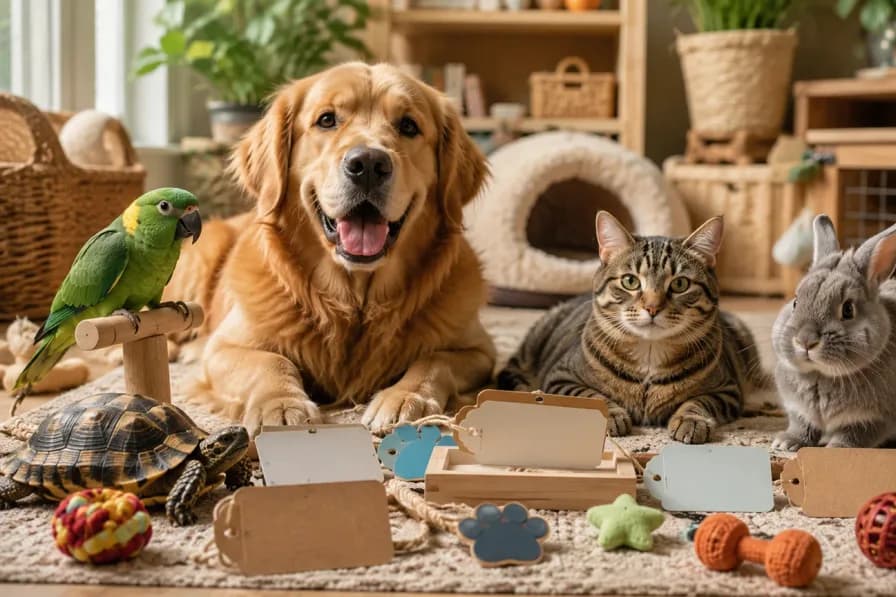
A practical list of pet names grouped by cute, funny, classic, calm, energetic, small-pet, and large-pet styles.
Naming a pet is one of those small household moments that becomes a story. Maybe the puppy arrives with enormous paws and a serious expression, the kitten refuses every elegant name and answers only to Snack, or the hamster spends two minutes in a wheel and suddenly earns the name Turbo. Good pet names become the sound of recall, affection, training, inside jokes, and daily routine.
Use the matching Pet Names without leaving the article. Pick a style, generate fresh names, and copy the good ones.
Style
Choose a style before generating.
6 names ready to copy.
Starter names from the generator
This guide collects pet name ideas across seven useful styles: cute, funny, classic, calm, energetic, small pets, and large pets. If you want a short guided shortlist, try the pet name finder quiz. If you want instant variations after browsing, open the pet name generator. For species-specific inspiration, start with our dog names guide, cat name generator, and hamster name generator.
People have named working animals, stable companions, hunting partners, and household pets for centuries, but the reason for choosing a name has changed. A farm dog might once have been named for color, job, or birth order. Today, a rescue mutt may get a name with a backstory, three nicknames, a seasonal sweater, and a place on the holiday card. That change helps explain why pet names now include sturdy classics like Max and Daisy, food names, literary jokes, mythology, nature words, and full comic titles.
The best name usually balances sound with the relationship behind it. It should be easy enough to say during a vet visit, distinct enough to catch attention, and personal enough that it still feels right after the novelty wears off. A name like Bear can be funny on a five-pound kitten or perfectly literal on a shaggy Newfoundland. Mochi can describe softness, sweetness, and a round little face all at once. That is the fun of pet naming: one word can hold appearance, behavior, humor, and love.
A pet name has to survive repetition. You will say it when you are delighted, tired, embarrassed at the dog park, whispering near a sleeping cat, or trying to coax a rabbit out from behind the couch. Names that look clever on a list can become awkward if they are too long, too close to a command, or difficult for every person in the household to pronounce. That does not mean every name needs to be plain. It means the name should have an easy everyday form. Count Droolsbury can become Drools. Snickerdoodle can become Snickers. Duchess Wigglebutt can become Duchess when the vet calls from the waiting room.
Sound is especially important for dogs and cats. Hard consonants such as b, d, k, p, and t can make a name pop through background noise, while bright vowels help it carry. For cats, higher sounds and clear endings often get attention. Small mammals and reptiles may not respond to names in the same way, but a clear name still helps every human in the house talk about care, feeding, and personality. A good name is a communication tool before it becomes a monogrammed bowl.
Before committing, test a name in the situations where you will actually use it. A name that sounds charming on a phone screen should also work at breakfast, during training, and when guests ask what your pet is called.
Compare curated lists with generated options. Our name generator vs ChatGPT guide explains when a focused generator is faster than a broad brainstorming tool.
Personality usually reveals the strongest name. A calm cat who watches rain from the windowsill may feel like Misty, Willow, or Pearl. A dog who enters every room like a parade may need Dash, Tango, or Rocket. A guinea pig who shouts at the refrigerator could become Mayor Squeak within an hour. Observe how the animal moves, what sounds it makes, how it greets people, and whether its energy is steady, shy, chaotic, regal, or clownish.
Species adds useful texture. Bird names can lean musical or airy, fish names can play with color and water, reptiles often carry strong prehistoric or jewel-toned names, and small mammals shine with food, seed, and pocket-sized words. If you are naming a snake, lizard, or turtle, our snake names guide is a useful companion because reptile names often sound better when they feel sleek, ancient, or slightly mysterious.
Cute names work because they make affection easy. They are often short, soft, food-based, or tiny in scale: Mochi, Bean, Pippin, Mallow, Peaches. Funny names work differently. They create a little performance every time you say them, which is why Sir Wiggles or Snack Inspector can turn a simple introduction into a story. Classic names such as Max, Bella, Lucy, Jack, and Bailey stay popular because they sound natural in daily life. They rarely need explanation, and they age well with the animal.
Calm and energetic names are more about temperament than category. Calm names tend to borrow from nature, water, quiet light, and soft textures: Sage, River, Dove, Snow, Whisper. Energetic names use speed, sound, sport, weather, and action: Blitz, Pogo, Turbo, Comet, Jolt. Size names can either match the pet or lovingly contradict it. Moose on a giant dog is descriptive; Moose on a tiny kitten is comedy. Both can work if the name feels affectionate rather than forced.
If the list feels overwhelming, choose the mood before choosing the name. The right category narrows hundreds of possibilities into a handful that actually fit the animal in front of you.
Use cute or classic names when the pet is friendly, soft, easygoing, or likely to meet lots of people.
Use funny names for pets with expressive behavior, strange habits, big reactions, or a household that enjoys jokes.
Let motion decide. Slow, gentle companions suit Willow or Lake; spring-loaded pets suit Dash, Pogo, or Rocket.
Size names can be sincere or ironic, but they should still feel kind. Bear, Thimble, Atlas, and Pip all set expectations.
The most common mistake is choosing a name only because it is funny on day one. Joke names can be wonderful, but the joke should still feel affectionate in a year. Another easy mistake is picking a name that sounds too much like a housemate, another pet, or a command. Kit and sit can blur during training. Beau and no may become confusing if you say both with the same tone. If a pet is timid, avoid names that require shouting harsh sounds across the room until the animal has built trust.
It is also worth thinking about context. A giant formal name can be charming, but you need a short version for appointments and emergencies. A very trendy name may date the pet, while a classic name may blend in at the dog park. Neither problem is fatal. Instead of chasing a perfect name no one else has ever used, look for one that feels good in your voice and true to your companion.
Make a short list of three to five names, then use them for a day or two in real situations. Say the name before feeding, during play, while cleaning a cage or tank, and when you are simply talking about the pet. Notice which name people naturally repeat. Notice which one becomes a nickname without effort. If one name keeps making everyone smile, that matters. Pet naming is practical, but it is also emotional.
Writers and game masters can use the same process for fictional animal companions. A dragonling, familiar, mount, farm cat, or starship mascot still needs a name that signals role and tone. For broader story naming principles, see our guide to coming up with character names and our unique character names for writers. The same lesson applies: the name should sound right, fit the role, and be easy to remember.
Cute pet names lean soft, warm, and affectionate. Food names, small nature words, and bright nickname sounds work well for pets who are cuddly, gentle, young, or simply impossible to look at without smiling.
Funny pet names are best when they match a real habit: a dramatic bark, a snack obsession, a royal attitude, a tiny squeak, or an ongoing battle with furniture. Choose the joke that still feels loving after the hundredth use.
Classic pet names stay popular because they are clear, friendly, and easy to live with. They suit almost any species and are especially useful when several people need to say the name comfortably every day.
Calm pet names borrow from water, trees, quiet light, and peaceful places. They are a natural fit for gentle cats, mellow dogs, shy rabbits, relaxed reptiles, and companions whose presence makes the house feel softer.
Energetic pet names should feel quick in the mouth. These ideas suit pets with zoomies, busy paws, constant curiosity, athletic play, or the kind of enthusiasm that turns a normal hallway into a racetrack.
Small pet names work beautifully for hamsters, guinea pigs, rabbits, birds, tiny dogs, kittens, and pocket-sized animals. The best ones feel light and specific without making the pet seem less important.
Large pet names can be grand, rugged, funny, or plainly affectionate. Use these for big dogs, oversized cats, large reptiles, or any animal whose size is part of the first impression.
If one of these categories is close but not quite right, use the pet name generator to create more options by style, species, personality, and size. It is especially helpful when you know the mood you want but need a few more names to test out loud.
The best pet names are easy to say, distinct from common commands, and matched to the animal. Max, Luna, Mochi, Biscuit, Willow, Dash, Peanut, and Bear are good examples because they are memorable and fit different personalities.
Say each finalist out loud, test it during feeding or play, and watch whether the name still fits after a few days. A good pet name should feel natural when called across a room and should suit the animal at adult size.
Short names are usually easier for daily use, especially for dogs and cats. One or two syllables often work best, but longer names can still work if they have a clear nickname such as Snickerdoodle becoming Snickers.
Cute small-pet names include Pipsqueak, Thimble, Acorn, Niblet, Button, Sesame, Squeak, Pip, Bean, and Dewdrop. The best small-pet names usually feel light, bright, and easy to repeat.