Loading...
Loading...
CurrentPack Names
Explore 3 styles for this generator. Switching styles refreshes the results automatically.
Use the copy icon to send any result to your clipboard.
Download fresh wolf names batches for drafts, campaigns, and prototypes.
4 results ready in Pack Names style.
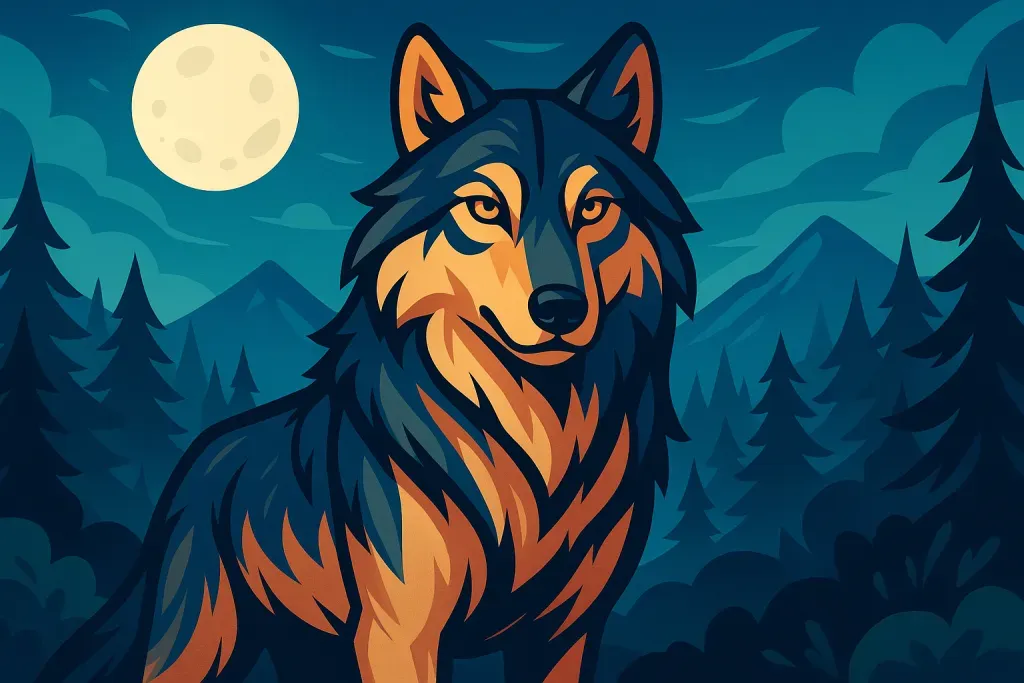
Generate powerful wolf names inspired by mythology, nature, and pack behavior. Perfect for stories, games, and character creation.
Browse 120+ wolf names, pack names, female wolf names, and werewolf names inspired by mythology, nature, coat colors, and fantasy stories.
Find pet name ideas for dogs, cats, birds, reptiles, small pets, and animal companions, with cute, funny, classic, unique, and personality-based names.
Browse 192 dog names by popular, male, female, cute, funny, small-dog, big-dog, breed, and coat-color styles, with naming tips.
Good wolf names usually point to a clear trait: the wolf's coat, territory, pack role, temperament, or mythic role in the story. Luna, Fenrir, Shadow, Storm, Silver, Akela, Timber, and Frost all work because they immediately suggest mood, movement, or legend.
Use this generator when you want fast wolf names for pets, animal companions, wild fantasy characters, or whole packs. If you need a curated list by style, browse our wolf names guide. If the character shifts between human and beast, try the werewolf names generator instead.
Wolves hold a powerful place in human mythology and folklore across cultures worldwide. From the Norse wolves Fenrir, Geri, and Freki to the Roman she-wolf Lupa who raised Romulus and Remus, these magnificent creatures have symbolized everything from loyalty and family bonds to wild freedom and primal power.
In Norse mythology, wolves appear in major roles:
Native American cultures revere wolves as teachers, pathfinders, and symbols of loyalty. Many tribes consider wolves to be sacred animals that represent:
Real wolf packs are family units led by the breeding pair (alpha male and female), consisting of their offspring from multiple years. Understanding this structure can help create more authentic wolf characters and names.
Wolf packs maintain territories that can range from 50 to 1000 square miles, depending on prey availability. They mark boundaries through:
Wolf names often reflect their natural characteristics, mythological significance, or pack role. Here are common naming patterns:
Names inspired by natural phenomena and environments:
Names that reflect personality traits and abilities:
Wolves display a wide range of coat colors and patterns, which often inspire their names:
Wolves have been featured prominently in literature and popular culture, often with memorable names that have influenced modern naming conventions:
Different wolf subspecies from around the world inspire unique naming conventions based on their geographic origins and characteristics:
Names inspired by the harsh, beautiful Arctic environment:
Names reflecting forest and woodland environments:
Wolves carry deep spiritual significance in many cultures, representing:
In many spiritual traditions, the wolf represents:
When creating wolf characters for stories, games, or other creative projects, consider these elements to make them more authentic and engaging:
This generator combines authentic wolf behavior and characteristics with mythological and cultural influences to create names that honor these magnificent creatures while serving your creative needs. Whether you're writing a fantasy story, creating game characters, or simply exploring wolf symbolism, these names give you a starting point for the traits that make wolves so compelling in human stories.