
Loading...
Loading...
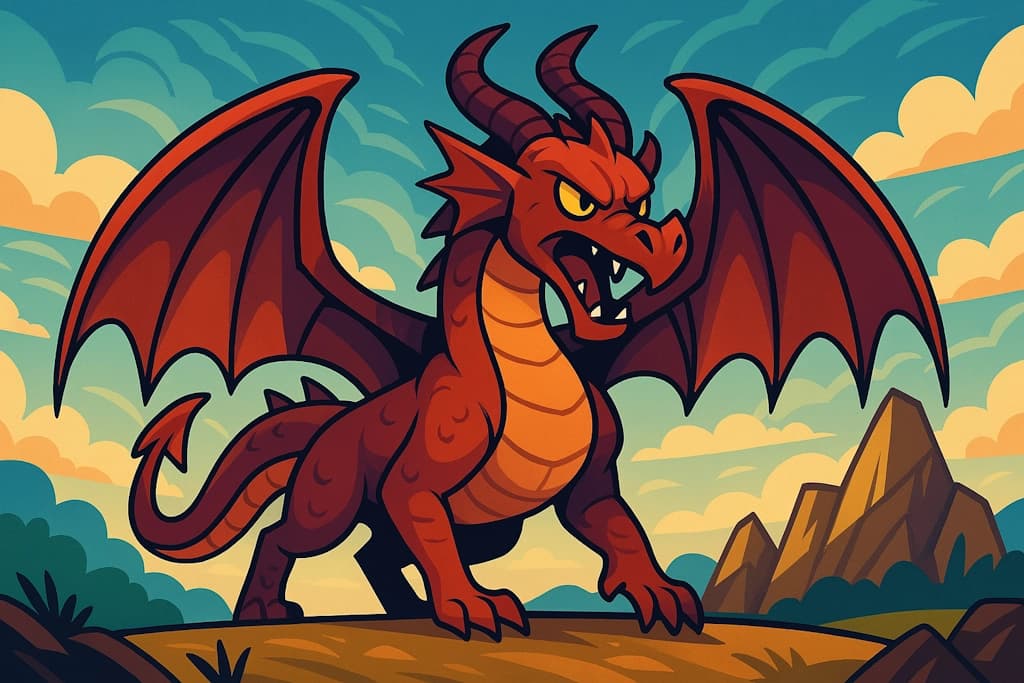
Find character name ideas for novels, short stories, and creative writing projects, organized by genre.
A character's name is the first promise a writer makes to the reader. Before a single line of dialogue is spoken or a backstory revealed, the name sets expectations about genre, tone, and the kind of person we're about to spend hundreds of pages with. For a deeper dive into the art of naming, see our tips for naming fictional characters. "Elowen Nighthollow" tells you you're in a fantasy world before the first chapter ends. "Sebastian Blackwell" whispers Regency-era romance. "Zara Voss-7" puts you on a spaceship.
Use the matching Dragons Names without leaving the article. Pick a style, generate fresh names, and copy the good ones.
Style
Choose a style before generating.
6 names ready to copy.
Starter names from the generator
We've assembled over 300 character names organized by six fiction genres, with names chosen to fit each kind of story. Whether you're writing your first novel or your fifteenth, naming characters can still be surprisingly hard. Our guide on how to come up with character names walks you through the process step by step. The names below are meant to suggest character, sound natural in dialogue, and fit the world around them.
Genre tells readers what kind of story they're entering. Fantasy readers expect names that feel invented yet pronounceable, built from familiar linguistic roots but arranged in unfamiliar combinations. Romance readers want names that are attractive, memorable, and carry a hint of the character's personality. Mystery readers need names they can keep straight across a complex plot with multiple suspects.
Consider how differently you'd react to a detective named "Maren Lockwood" versus one named "Sparkle McFairywhisper." The first feels competent and serious; the second belongs in an entirely different book. This isn't about following rules rigidly. It's about understanding the expectations your genre has established so you can use them or deliberately push against them.
The best fantasy names feel as if they grew out of the world they belong to. They sound like they have histories in languages that don't quite exist. Our guide to fantasy names by race explores how different fictional cultures develop distinct naming conventions. Tolkien created languages first and then derived character names from them. You don't need to go that far, but names should still feel rooted in a consistent system.
These fantasy names blend mythological roots with surnames that suggest enchanted forests, ancient battlefields, or arcane towers. Each name is meant to feel at home in an epic fantasy novel while staying distinct and pronounceable.
Romance character names have to sound appealing on the page and in dialogue. They should be memorable without feeling ornamental. The best romance names balance elegance with warmth, then leave enough room for the story to reveal the person behind the name.
Romance names should sound attractive while hinting at personality through subtle associations. These names range from Regency-era elegance to contemporary charm and give writers a strong starting point for love interests, rivals, and leads.
Mystery names need to do quiet work. Your detective's name should feel trustworthy, while suspects can carry a faint edge of uncertainty. For inspiration on creating memorably sinister names, explore what makes a good villain name. A name like "Edmund Graves" planted early in a suspect list creates an association with death that might become a clue or a red herring. In a mystery, even a name can feel like evidence.
Mystery and thriller names balance authority with intrigue. Detective names should inspire confidence, while suspect names can carry subtle hints or deliberate misdirections. These names fit complex plots where readers are actively trying to solve the puzzle alongside the protagonist.
Science fiction names need to feel futuristic without cutting readers off from the characters. A practical approach is to blend recognizable cultural elements with small changes, such as a Japanese surname paired with a Latin first name, or a familiar name with a clone designation number.
Sci-fi names work best when they feel both familiar and futuristic. These names blend multicultural influences with speculative elements such as clone markers, stellar references, and streamlined constructions.
Historical fiction needs careful name research. A name that feels natural in Regency England could be anachronistic in Tudor London, and a name common in 1920s Paris would sound out of place in medieval Florence. Good historical naming means checking that a name was in use during the chosen period and within the right social class.
Historical names must feel authentic to their era, region, and social class. These names span centuries and continents, from medieval monasteries to WWII resistance networks, with choices kept readable for modern audiences.
Literary fiction names often carry symbolic weight. In a genre where small details matter, character names can hold references, allusions, and quiet contradictions that reward attentive readers. For more on crafting distinctive names, see our unique character names for writers collection. The best literary names feel natural at first, then gain meaning as the character becomes clearer.
Literary fiction names prioritize resonance over flash. These names carry symbolic weight, cultural specificity, and the kind of quiet complexity that rewards close reading. Each is meant to feel like it belongs to a real person with an inner life, not a label pasted on after the fact.
Use this guide to match naming strategies to your genre and create characters whose names feel like they belong in the story.
A character name should fit the genre, setting, and role the character plays in the story. Use these steps to choose one that feels natural on the page:
Every genre has naming expectations. Fantasy readers accept invented names like 'Elowen Nighthollow,' while literary fiction favors grounded names like 'August Lehane.' Romance names should sound appealing, and mystery names need enough authority to hold a clue or red herring. Read recent books in your genre to see what feels current.
Historical fiction needs era-appropriate names. 'Marguerite de Valois' fits 18th-century France, not modern New York. Sci-fi names can blend cultural origins with futuristic elements. Research naming trends from your story's era using census records, historical documents, and period literature.
Strong character names carry subtext. A detective named 'Lockwood' suggests someone who unlocks mysteries. A romance hero named 'Thorne' hints at charm with an edge. Think about the associations readers will form before they know anything else.
Avoid giving multiple characters names starting with the same letter. Read names aloud so you can hear whether they are easy to pronounce and distinct from one another. 'Maren,' 'Griffin,' and 'Celeste' are easier to separate than 'Cara,' 'Clara,' and 'Cora.'
When you're stuck, a name generator can offer combinations you might not have considered. Use our dragon name generator as a starting point for fantasy characters, then adapt the results to fit your story's world and tone.
Epic fantasy character names
Elegant fantasy names
Compelling antagonist names
Futuristic sci-fi names
Gothic horror names
Strong heroic names
Need a name for your next character? Our Name Generator offers combinations for fantasy, sci-fi, and other genres. Use the results as a starting point, then adjust them to match your character and setting.
For more naming inspiration, explore our guide to elven names for fantasy characters, or check out our cyberpunk name ideas for futuristic settings.
Start by considering your genre, time period, and the personality you want to convey. The best character names feel natural within the story world, are easy for readers to pronounce and remember, and carry subtle associations that reinforce who the character is.
Authentic fantasy names often blend familiar linguistic roots with invented elements. Names like "Elowen Nighthollow" work because "Elowen" has Celtic origins readers intuitively recognize, while "Nighthollow" creates vivid imagery without feeling random.
Subtle meaning adds depth without being heavy-handed. A mystery detective named "Lockwood" or a romance hero named "Thorne" creates subconscious associations that enrich the reading experience. Avoid names so on-the-nose they break immersion.
Ideally, none. Give each character a name that starts with a different letter and has a distinct rhythm. Readers process names visually, so "Maren" and "Marcus" in the same chapter will cause confusion even though they are different names.