Types of Fantasy Names by Race: A Complete Guide
Every fantasy race speaks its identity through names. Whether you're building a character for a tabletop RPG, writing epic fantasy fiction, or designing a game world, understanding how each race approaches naming unlocks deeper worldbuilding. For a detailed breakdown of D&D naming conventions by race, see our dedicated guide. Try our elf name generator for instant inspiration, or explore our comprehensive comparison of 90+ names across six iconic fantasy races.

Types of Fantasy Names by Race
A comprehensive guide comparing naming conventions across elves, dwarves, orcs, halflings, dragonborn, and fairy folk.
Why Race Shapes Fantasy Names
Fantasy naming isn't arbitrary. The sounds, structures, and meanings embedded in a character's name instantly communicate cultural background, social status, and personality. Tolkien pioneered this approach by constructing entire languages before writing his stories—Quenya for high elves, Khuzdul for dwarves, Black Speech for orcs. Modern fantasy has inherited and expanded these traditions, creating distinct phonetic identities for every race.
Consider how sound alone tells you about a character. The name "Aelindra Starweave" evokes grace, beauty, and celestial connection—unmistakably elven. "Thordin Ironfist" rumbles with the weight of stone and steel—obviously dwarven. "Grukash the Bonecrusher" hits like a war drum—pure orc. These aren't accidents. They're the result of deliberate phonetic design that maps sounds to cultural identity. For a deeper look at why this works, explore the psychology behind fantasy names.
Key Fact: Sound symbolism in fantasy naming follows consistent rules: liquid consonants (l, r) signal elegance and grace, hard stops (k, t, g) convey strength and aggression, and sibilants (s, sh) suggest mystery or magic. Matching phonetics to race creates instant character recognition.
Linguistic Comparison Across Races
Each fantasy race draws from different real-world linguistic traditions. Elven names borrow from Celtic, Finnish, and Tolkien constructed languages with their emphasis on vowel harmony and flowing syllables. Dwarven names pull from Old Norse and Germanic roots, favoring monosyllabic given names with compound clan identifiers. Orcish naming conventions echo Turkic and Mongolic harsh phonetics, while halfling names mirror rustic English countryside traditions.
Phonetic Fingerprints by Race
Graceful Races
- • Elves: Open vowels, liquid consonants (l, r), 3-4 syllable flow
- • Fairies: Nature words, diminutives, whimsical compounds
- • Halflings: Botanical names, cozy English surnames
Martial Races
- • Dwarves: Hard consonants, Norse roots, craft-based clans
- • Orcs: Guttural stops, onomatopoeia, earned epithets
- • Dragonborn: Percussive given names, multi-syllabic honor chains
Elven Names: The Language of Starlight
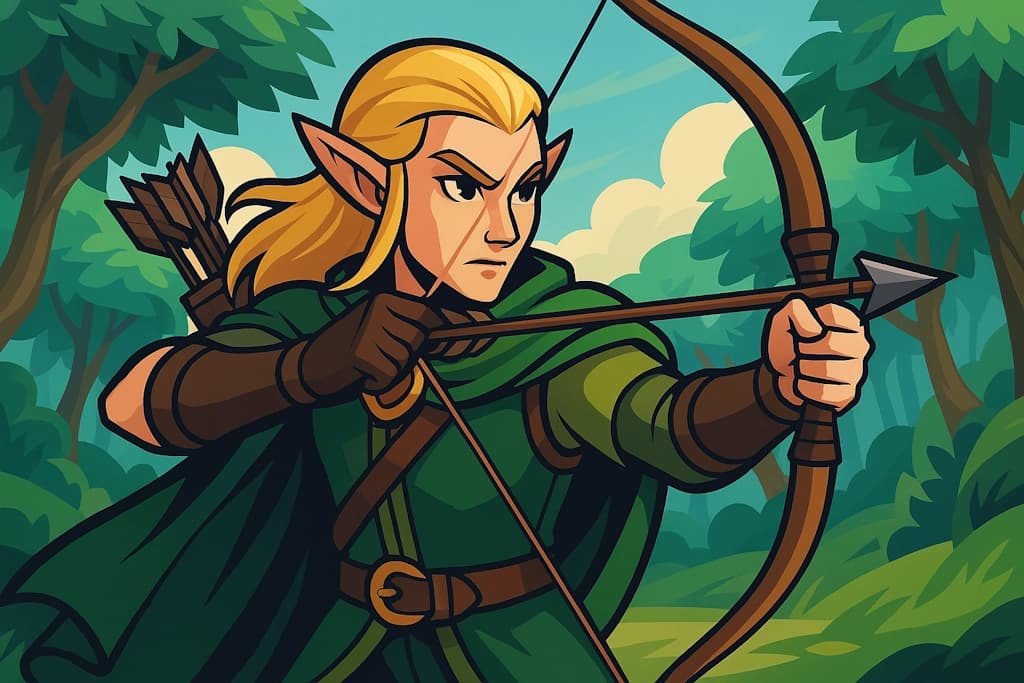
Elven names are the gold standard of fantasy nomenclature. Their defining feature is musicality—names that sound like they could be sung rather than spoken. This reflects the elven connection to art, nature, and the eternal. For extensive inspiration, browse our list of 220+ best elven names. High elven names tend toward formality with longer, more elaborate structures, while wood elf names run shorter and earthier. Dark elf names introduce harsher consonants and shadow-themed elements—see our high elf vs dark elf naming differences for a detailed comparison. Explore more with our elf name generator.
Key Fact: Tolkien based his elven languages on Finnish and Welsh phonology. The flowing vowel patterns and consonant clusters in names like Galadriel and Celeborn directly influenced how modern fantasy defines "elvish" sound.
15 Elven Race Names
These elven names showcase the melodic, nature-infused naming traditions found across high elf, wood elf, and twilight elf cultures. Each name pairs a lyrical given name with a descriptive surname drawn from celestial or botanical imagery.
- 1
Aelindra Starweave
A high elven name combining the prefix "Ael-" (starlight) with "-indra" (weaver), suggesting mastery over celestial magic. The surname "Starweave" reflects the elven tradition of linking identity to cosmic phenomena.
- 2
Caelithor Dawnwhisper
Built from the Sindarin-inspired root "Cael-" (sky) and the suffix "-ithor" (watcher), this name evokes an elf who reads omens in the dawn sky. Dawnwhisper implies quiet communion with the first light of morning.
- 3
Thalassiel Moonshadow
Derived from the Greek "thalassa" (sea) fused with the elven feminine suffix "-iel" (daughter of). The compound surname pairs lunar imagery with shadow, a hallmark of wood elf naming traditions.
- 4
Faelorin Silverleaf
The prefix "Fae-" signals a connection to the spirit world, while "-lorin" means golden song. Silverleaf is a classic elven surname denoting a family tied to ancient groves and metallic-hued foliage.
- 5
Sylvareth Evenstar
"Sylv-" draws from the Latin silva (forest), and "-areth" implies a sacred oath or pledge. Evenstar, famously echoed in Tolkien's legendarium, positions this elf as a beacon of twilight hope.
- 6
Ithilwen Briarthorn
A melodic name meaning "moon maiden" paired with a protective surname suggesting resilience.
- 7
Lutharon Windcaller
Combines the elven root for enchantment with a title reflecting mastery over air magic.
- 8
Galanodel Mistwalker
A noble-sounding name evoking wanderers who navigate enchanted fog between elven realms.
- 9
Naeriel Songblade
Blends the feminine suffix "-iel" with a surname linking artistry and combat prowess.
- 10
Erevain Oakenshield
A stately name suggesting an elven guardian who draws strength from the ancient forests.
- 11
Vaelithra Dreamtide
An ethereal name implying connection to prophetic visions carried on mystical currents.
- 12
Alassëa Starhollow
Uses the Quenya-inspired word for joy, paired with a surname evoking sacred celestial glades.
- 13
Rindael Frostpetal
A winter-themed elven name combining icy imagery with the delicate beauty of frozen blooms.
- 14
Celeborn Nightbloom
Echoes the Tolkien tradition of silver-themed names with a surname tied to nocturnal flora.
- 15
Maedhrin Swiftarrow
A martial elven name suggesting keen-eyed archers who defend woodland borders with precision.
Dwarven Names: Forged in Stone and Steel
Dwarven names are built to last—short, heavy, and resonant, like the sound of a hammer striking an anvil. Drawing from Old Norse and Germanic traditions, dwarven given names rarely exceed two syllables. For a deeper dive, check out our 290+ best dwarf names. The real identity marker is the clan name: a compound word describing the family's primary trade, geological affinity, or legendary achievement. In dwarven culture, your surname tells the world what your bloodline has accomplished. Try our dwarf name generator for Norse-inspired options.
15 Dwarven Race Names
These dwarven names reflect the sturdy, craft-oriented culture of the mountain folk. Each pairs a Norse-rooted given name with a clan surname built from geology, metallurgy, or martial prowess.
- 1
Thordin Ironfist
A quintessential dwarven name rooted in Old Norse "Thor" (thunder) with the diminutive "-din" suggesting a lineage of warriors. Ironfist is a clan name earned through generations of bare-knuckle mining and smithing.
- 2
Balgrim Stonehammer
The prefix "Bal-" derives from the Proto-Germanic for bold or fierce, while "-grim" means masked or helmeted. Stonehammer signals a clan whose identity is forged around quarrying and stonemasonry traditions.
- 3
Durana Copperforge
A feminine dwarven name where "Dur-" means enduring and "-ana" is a common feminine ending in dwarven tongues. Copperforge identifies her lineage as specialists in copper alloy weapons and ornamental metalwork.
- 4
Kragnar Deepdelve
"Krag-" evokes the craggy mountain terrain dwarves call home, paired with "-nar" indicating noble birth. The clan name Deepdelve marks a family renowned for excavating the lowest, most dangerous mine shafts.
- 5
Haldrek Anvilthorn
Built from "Hal-" (rock) and "-drek" (strength), this name rumbles with geological authority. Anvilthorn is a clan epithet suggesting both the forge and the thorny mountain passes the clan guards.
- 6
Brunhild Goldvein
A proud feminine name meaning "armored battle maiden" tied to a clan famous for striking gold.
- 7
Orsik Firebrand
A short, punchy name reflecting dwarven linguistic efficiency, paired with a volatile clan title.
- 8
Gundra Shieldbreaker
Combines a sturdy feminine root with a fearsome epithet earned through prowess in battle.
- 9
Fargrim Aleheart
A jovial name blending travel and ferocity, tied to a clan renowned for legendary brewing.
- 10
Tormund Embersteel
Evokes thunder and mountains, with a clan name suggesting mastery over volcanic forge techniques.
- 11
Darrak Boulderback
A heavy, grounded name perfect for a dwarven defender known for immovable resilience.
- 12
Kettil Runecarver
A Norse-inspired given name paired with an artisan clan title indicating magical craftsmanship.
- 13
Vistra Marblehewn
A refined feminine dwarven name suggesting one who shapes stone into works of art.
- 14
Brannor Ashbeard
A fire-themed name implying a forge-hardened veteran with a soot-stained beard of pride.
- 15
Dolgrin Warhammer
A blunt, powerful name leaving no ambiguity about the bearer's role as a frontline warrior.
Orcish Names: Earned Through Blood and Battle
Orcish naming conventions are fundamentally different from other races because names are earned, not given. A young orc receives a birth designation, but their true name—the one that matters—comes from combat achievements, tribal rank, or shamanic visions. For even more examples, see our 400+ best orc names. The harsh, guttural phonetics of orcish names mirror the brutal environments that shape their culture: every hard consonant is a scar, every sharp syllable a victory. Generate your own with our orc name generator.
Key Fact: In many orcish cultures, birth names are deliberately temporary. An orc named "Grukash" at birth might become "Grukash the Bonecrusher" after their first major battle, with the epithet replacing the birth name entirely in tribal records.
15 Orcish Race Names
These orcish names demonstrate the guttural, combat-driven naming conventions of tribal orc cultures. Each features either a clan-based surname or a battle-earned epithet that replaces formal family lineage.
- 1
Grukash the Bonecrusher
The guttural "Gruk-" mimics the harsh phonetics of orcish tongues, while "-ash" is a common war suffix meaning fury or fire. Epithets like "the Bonecrusher" are earned through combat and replace birth names entirely.
- 2
Mogra Bloodfang
A feminine orc name where "Mog-" signifies might and "-ra" is a matrilineal marker indicating leadership potential. Bloodfang is a tribal name denoting a clan that ritually sharpens their tusks before battle.
- 3
Thokk Skullsplitter
Onomatopoeic in nature—"Thokk" replicates the sound of a heavy weapon striking armor. Orcish names frequently incorporate violent sound symbolism, and Skullsplitter is among the most coveted battle-earned titles.
- 4
Nazgrul Ironhide
The prefix "Naz-" carries connotations of shadow and cunning, unusual for orcs but found among war shamans. "-grul" means blood, and Ironhide suggests skin toughened by ritual scarification and alchemical treatments.
- 5
Urgasha Warbringer
A fearsome compound where "Ur-" means primal and "-gasha" denotes a chieftain's consort or advisor. The title Warbringer is reserved for those who have personally rallied a horde to march on enemy territory.
- 6
Drakka Gorefist
A sharp, percussive name suggesting a berserker whose fists are legendary weapons.
- 7
Vorgath the Unbroken
An epithet-based name celebrating an orc who has survived every battle without yielding.
- 8
Shagga Tuskrend
A wild-sounding name implying a warrior who tears enemies apart with raw bestial strength.
- 9
Korgul Ashwalker
Suggests a survivor who walks through the ashes of destroyed settlements unscathed.
- 10
Zurga Chainbreaker
A name carrying deep cultural meaning—freedom won through violence against slavers.
- 11
Grishnak Deathwhisper
An unusually subtle orc name for a shaman who communes with ancestral spirits.
- 12
Bolg Earthshaker
A monosyllabic first name paired with a title reflecting devastating physical power.
- 13
Mauga Ragestorm
A feminine name combining raw fury with elemental force, marking a battle-priestess.
- 14
Rekka Spinebreaker
A visceral name conveying the brutality expected of an orcish champion.
- 15
Ghash Flameborn
Meaning "fire" in Black Speech-inspired dialects, paired with a mythical origin epithet.
Halfling Names: The Warmth of Hearth and Home
Halfling names are comfort food for the imagination. Where other races reach for grandeur or menace, halflings choose names that smell like fresh bread and sound like a friendly invitation to tea. Their given names draw from herbs, flowers, and seasonal markers, while their surnames celebrate the domestic arts—brewing, baking, farming, and the simple joy of a well-kept garden. This naming tradition reflects a culture that measures worth not by conquests but by the quality of one's pie crust. Find more at our halfling name generator.
15 Halfling Race Names
These halfling names embody the cozy, pastoral spirit of the small folk. Botanical given names and domestic surnames paint a picture of rolling green hills, abundant gardens, and warm kitchen hearths.
- 1
Bramble Goodbarrel
A nature-word given name paired with a surname reflecting the halfling obsession with fine food and drink. "Goodbarrel" implies a family whose cellars are legendary, and "Bramble" connects the child to the hedgerows surrounding their homestead.
- 2
Rosemary Underbough
Drawn directly from the culinary herb, this name celebrates the halfling tradition of naming children after garden plants. Underbough is a topographic surname indicating a home nestled beneath the spreading branches of an ancient tree.
- 3
Pippin Tealeaf
An endearing diminutive name evoking smallness and cheerfulness, made famous by Tolkien's hobbits. Tealeaf is a whimsical surname suggesting a family of tea merchants or herbalists, perfectly capturing halfling domesticity.
- 4
Tansy Hearthstone
Another botanical given name (tansy is a golden wildflower) paired with a surname emphasizing the centrality of the hearth to halfling culture. Hearthstone families are known as community gathering places.
- 5
Corbin Applebottom
A slightly more formal given name meaning "raven" that adds a hint of adventure to the otherwise pastoral Applebottom surname. This contrast is typical of halflings who dream of distant lands while tending their orchards.
- 6
Marigold Proudfoot
A sunny floral name paired with a surname suggesting barefoot confidence on any terrain.
- 7
Willow Butterworth
A graceful tree name combined with a delicious surname evoking rich dairy farming.
- 8
Garret Thorngage
A sturdy given name paired with a surname hinting at hedgerow boundaries and property pride.
- 9
Cora Honeydew
A sweet, simple name reflecting the halfling love of fresh morning harvests.
- 10
Milo Kettlebottom
A classic halfling name combining warmth and domesticity with gentle humor.
- 11
Daisy Greenhill
A cheerful wildflower name paired with a surname describing the rolling pastoral landscape.
- 12
Eldon Merryweather
An old-fashioned given name combined with a surname celebrating good fortune and fair skies.
- 13
Primrose Thistledown
A delicate spring flower name paired with the lightest, most whimsical of nature surnames.
- 14
Otho Barleycorn
A traditional name tied to the agricultural heart of halfling culture and brewing heritage.
- 15
Lavender Shortwick
An aromatic herb name with a surname playfully referencing the halfling stature.
Dragonborn Names: Honor Written in Draconic
Dragonborn naming is a system of encoded honor. The given name is personal and typically short—one or two powerful syllables that hit like a dragon's roar. The clan name, however, is where the real story lives. These multi-syllabic identifiers function as compressed histories, with each segment representing a generation's greatest achievement. A dragonborn introduces themselves clan-name-first in formal settings, because lineage matters more than individuality. Explore options with our dragonborn name generator.
Key Fact: Dragonborn clan names grow longer over centuries. A young clan might have a two-syllable surname like "Vkriss," while an ancient noble house carries names like "Ophinshtalajiir"—each added syllable commemorating a pivotal moment in the clan's history.
15 Dragonborn Race Names
These dragonborn names showcase the unique draconic naming system where short, percussive given names contrast with elaborate clan identifiers that encode generations of honor and achievement.
- 1
Kriv Verthisathurgiesh
Dragonborn given names like "Kriv" are sharp and commanding, typically one or two syllables. The clan name "Verthisathurgiesh" follows the draconic tradition of multi-syllabic honor chains, where each segment represents a clan achievement.
- 2
Nala Kerrhylon
A feminine dragonborn name where "Nala" carries regal undertones borrowed from draconic royalty. "Kerrhylon" is a clan name built from "Kerr-" (flame) and "-hylon" (sworn), meaning oath-bound to fire—a chromatic dragon heritage.
- 3
Bharash Turnuroth
The percussive "Bharash" mimics the rumble of a dragon's growl, suitable for warrior caste dragonborn. "Turnuroth" translates roughly to "honorbound by storm," indicating a blue dragon ancestry with lightning-based breath weapons.
- 4
Surina Daardendrian
A melodic feminine name contrasting with the imposing clan identifier "Daardendrian," which encodes three generations of military honors. Dragonborn clans treat their long surnames as living histories of valor.
- 5
Torinn Shestendeliath
"Torinn" means "steadfast" in draconic, reflecting the dragonborn emphasis on unwavering loyalty. The elaborate clan name "Shestendeliath" is a prestige marker—the longer the surname, the more distinguished the lineage.
- 6
Arjhan Clethtinthiallor
A noble dragonborn name with a clan identifier so long it signals ancient, aristocratic heritage.
- 7
Mishann Norixius
A balanced feminine name paired with one of the most common dragonborn clan names.
- 8
Ghesh Prexijandilin
A short, powerful given name offset by a sprawling clan name encoding conquest records.
- 9
Heskan Myastan
A restrained dragonborn name suggesting a clan focused on scholarship rather than warfare.
- 10
Farideh Kepeshkmolik
A tiefling-crossover name reflecting the complex heritage of dragonborn in mixed societies.
- 11
Rhogar Yarjerit
A thunderous given name paired with a clan name meaning "iron resolve" in draconic.
- 12
Akra Ophinshtalajiir
A feminine warrior name with a clan identifier stretching across five honored syllables.
- 13
Donaar Kimbatuul
A commanding paladin name with a clan title suggesting devotion to draconic justice.
- 14
Medrash Shestandeliath
An ancient dragonborn name from a clan whose lineage stretches back to the first dragon wars.
- 15
Patrin Vkriss
An unusually short clan name for dragonborn, indicating a young clan still building its legacy.
Fairy & Fae Names: Whispers of the Wild
Fairy names exist at the intersection of nature and magic—tiny syllables that carry enormous enchantment. Unlike the structured traditions of elves or dwarves, fae naming is organic and spontaneous. Explore our full fairy names collection for hundreds of examples. A fairy might be named for the first thing witnessed at their emergence: a cobweb catching morning light becomes Cobweb Starwhisper, a moth dancing near a flame becomes Moth Silkdancer. This practice means no two fairy names follow the same formula, yet they all share a luminous, natural quality. Create your own with our fairy name generator.
15 Fairy Folk Names
These fairy folk names capture the whimsical, nature-steeped traditions of the fae. Each combines elements of flora, fauna, light, and weather into names that feel both enchanting and slightly dangerous—just like the fairies themselves.
- 1
Thistlewick Dewdrop
A compound name merging the prickly thistle plant with the warm glow of a candle wick, capturing the fae duality of beauty and danger. Dewdrop is a quintessential fairy surname drawn from the morning moisture on spider silk.
- 2
Lirael Moonpetal
The musical given name "Lirael" suggests lyrical enchantment, with its liquid consonants and open vowels mimicking fairy song. Moonpetal evokes flowers that bloom only under moonlight—a common motif in fae naming traditions.
- 3
Puck Briarshine
Named after Shakespeare's most famous fairy, Puck signals mischief and trickery. Briarshine contrasts thorny wildness with luminous beauty, reflecting the fae tendency to be simultaneously enchanting and hazardous.
- 4
Elara Willowisp
A celestial given name (Elara is a moon of Jupiter) paired with a portmanteau of willow and will-o'-the-wisp. This combination grounds the fairy in both cosmic wonder and the treacherous lights of marshland folklore.
- 5
Fennwick Goldenspore
An earthy given name suggesting fenlands and hidden knowledge, combined with Goldenspore—a surname evoking luminous mushroom clouds and the mycelial networks that fairies supposedly use to communicate across forest floors.
- 6
Cobweb Starwhisper
A Shakespearean fairy name paired with a surname suggesting communion with celestial voices.
- 7
Zephyrine Foxglove
A breezy name combining the west wind with a poisonous flower beloved by fairy herbalists.
- 8
Wren Thornberry
A tiny bird name perfectly sized for a fairy, with a surname balancing sweetness and sharpness.
- 9
Sorrel Glimmerwick
An herb-based name paired with a surname evoking flickering candlelight in fairy hollows.
- 10
Oberon Ivyglow
The king of fairies from literary tradition, paired with a surname of clinging growth and light.
- 11
Clover Mistbloom
A lucky charm name combined with a surname suggesting flowers emerging from enchanted fog.
- 12
Moth Silkdancer
An insect name reflecting fairy affinity with nocturnal creatures and graceful movement.
- 13
Hazel Acornbell
A warm woodland name evoking the tiny bells fairies supposedly ring in acorn caps.
- 14
Fern Honeydusk
A shade-loving plant name with a surname blending sweetness and the golden hour.
- 15
Aster Pearlmoss
A star-shaped flower name paired with a luminous, soft surname evoking enchanted grottos.
Surname Traditions Across Fantasy Races
Surnames reveal what a culture values most. Elven surnames reference the eternal—stars, moons, ancient trees—because elves measure identity in centuries. Dwarven clan names honor the tangible: metals worked, stones carved, battles won. Orcish epithets function as living combat résumés. Halfling surnames celebrate the everyday pleasures that make life worth living. Dragonborn clan names are compressed genealogies. And fairy surnames capture a single perfect moment in the natural world.
Understanding these patterns transforms naming from random generation into deliberate worldbuilding. For a broader perspective, read our ultimate guide to fantasy creature names. When a player announces their character is "Vistra Marblehewn," the table immediately knows they're dealing with a dwarven artisan. When an NPC introduces herself as "Urgasha Warbringer," everyone tenses—orc names carry their threat in the sound itself.
Cross-Race Naming Patterns and Exceptions
While each race has distinctive conventions, interesting overlaps emerge in mixed-heritage characters and cosmopolitan settings. A half-elf raised among dwarves might bear the melodic given name "Caelithor" but carry the dwarven clan name "Anvilthorn." A halfling adopted by orcs could combine the pastoral "Pippin" with the battle epithet "Chainbreaker." These hybrid names create instant backstory and narrative tension.
Quick Reference: Naming Rules by Race
Elves
Prefixes: Ael-, Cael-, Fae-, Sylv-
Suffixes: -iel, -wen, -riel, -thil
Surnames: Nature + celestial
Dwarves
Roots: Thor-, Bal-, Dur-, Krag-
Style: 1-2 syllable given names
Clans: Craft + material compound
Orcs
Sounds: Guttural stops (k, g, kh)
Titles: Earned through combat
Pattern: Name + "the [epithet]"
Halflings
Given: Herbs, flowers, seasons
Surnames: Domestic + pastoral
Tone: Warm, approachable
Dragonborn
Given: 1-2 sharp syllables
Clan: Multi-syllabic honor chain
Order: Clan name first (formal)
Fairies
Source: Nature observation
Elements: Flora, fauna, light
Style: Whimsical compounds
How to Choose a Fantasy Name Based on Race
Selecting the right fantasy name requires understanding each race's linguistic traditions, cultural values, and phonetic patterns. Follow these steps to craft an authentic name for any fantasy race:
- 1
Identify the Race and Culture
Start by choosing which fantasy race your character belongs to. Each race has distinct phonetic rules: elves favor flowing vowels and soft consonants; dwarves use hard, guttural syllables; orcs rely on harsh, percussive sounds; halflings prefer cozy, pastoral terms; dragonborn use draconic honor chains; and fairies draw from nature and whimsy.
- 2
Study Linguistic Patterns
Research the phonetic palette of your chosen race. Elven names use prefixes like Ael-, Cael-, and Fae- with suffixes such as -iel, -wen, and -riel. Dwarven names incorporate Norse roots like Thor-, Bal-, and Dur-. Orcish names feature onomatopoeic syllables that mimic violent sounds. Matching these patterns creates authenticity.
- 3
Add Cultural Depth with Surnames
Surnames and clan names carry cultural meaning. Elven surnames reference nature (Starweave, Moonshadow); dwarven clan names honor crafts (Ironfist, Copperforge); orcish epithets are earned through combat (Bonecrusher, Skullsplitter); halfling surnames celebrate domestic life (Goodbarrel, Honeydew).
- 4
Test Pronunciation and Flow
Read the name aloud to ensure it matches the race's character. Elven names should flow musically. Dwarven names should feel heavy and grounded. Orcish names should land like a punch. Halfling names should sound warm and approachable. If the name doesn't evoke the right feeling, adjust the syllable balance.
- 5
Use a Fantasy Name Generator
Generate race-appropriate fantasy names instantly using our elf name generator and other specialized tools for dwarves, orcs, halflings, dragonborn, and fairies.