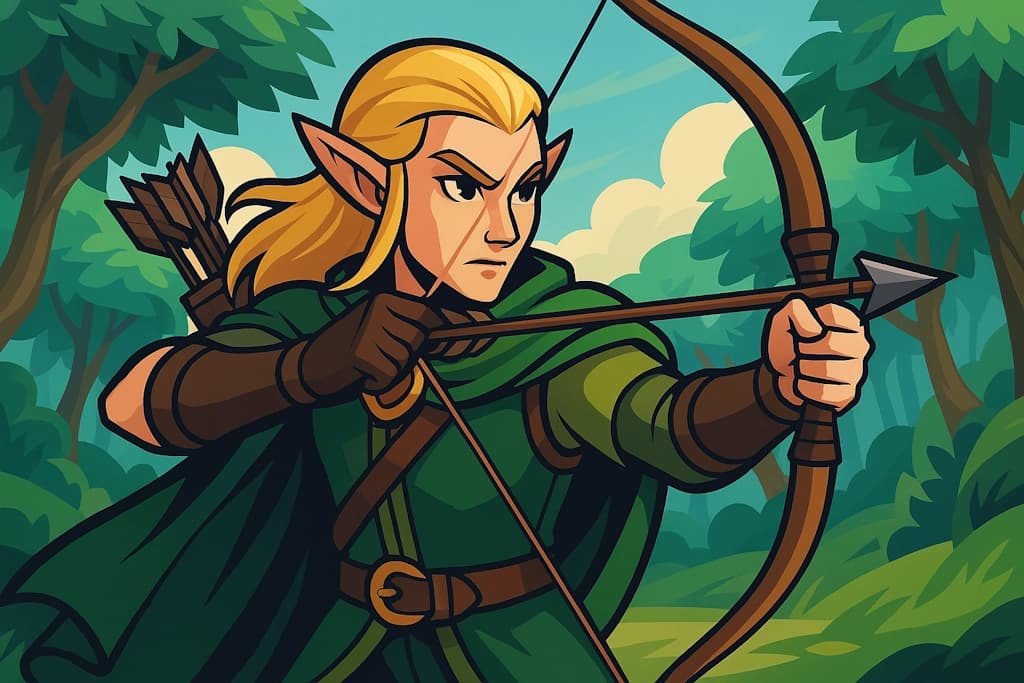
D&D Naming Conventions by Race: Complete Reference Guide
Try our fantasy name generators →
D&D Naming Conventions by Race
A comprehensive reference guide to naming conventions for every major D&D race including elves, dwarves, halflings, orcs, dragonborn, tieflings, and gnomes.
Understanding D&D Naming Conventions
Names in Dungeons & Dragons are far more than labels—they encode culture, history, and identity. Our data analysis of D&D character names confirms that each playable race has developed distinct linguistic traditions that reflect their values, social structures, and relationships with the world. For a broader perspective on fantasy names organized by race, our companion guide explores naming patterns beyond D&D. Elven names flow like music, dwarven names ring like hammer on anvil, and orcish names snarl with primal energy. Understanding these conventions transforms character creation from picking a random word into crafting an authentic identity rooted in the rich lore of D&D.
This reference guide breaks down the naming rules, phonetic patterns, and cultural traditions for seven major D&D races. Whether you're building your first character or your fiftieth, these conventions will help you create names that sound right at the table and feel authentic within the Forgotten Realms, Greyhawk, or any homebrew setting. For step-by-step character creation guidance, see our guide to naming your D&D character.
Key Fact: D&D naming conventions are rooted in distinct linguistic traditions for each race. Elven names average 3–4 syllables with 70% vowel-to-consonant ratios, while dwarven names average 2 syllables with hard consonant clusters. These phonetic differences instantly signal a character's racial identity.
Phonetic Patterns by Race: Quick Reference
The table below summarizes the key phonetic characteristics that distinguish each D&D race's naming conventions:
| Race | Key Sounds | Typical Length | Surname Style |
|---|
| Elf | Flowing vowels, l, r, n, th | 2–4 syllables | Nature/celestial compound |
| Dwarf | Hard stops, k, d, g, doubled consonants | 1–2 syllables | [Metal/Stone]+[Craft/Weapon] |
| Halfling | Soft consonants, diminutive endings | 1–2 syllables | [Positive]+[Domestic object] |
| Orc | Gutturals, gr, kh, back vowels | 1–2 syllables | [Violence]+[Body part/Action] |
| Dragonborn | Sibilants, aspirated h, sh, rh | 2–3 syllables (clan: 3–6) | Draconic compound clan name |
| Tiefling | Infernal sibilants, -os, -is endings | 2–3 syllables | Virtue name or no surname |
| Gnome | Bouncy stops, playful clusters | 2–4 syllables | Multiple accumulated names |
Elven Naming Conventions
Elven names in D&D are designed to sound melodic and timeless, reflecting the race's long lifespan and deep connection to nature and the arcane. The Elvish language emphasizes open vowels, liquid consonants (l, r), and nasal sounds (n, m) that create a flowing, musical quality.
Elven given names typically range from two to four syllables. Male names often end in consonants (-on, -is, -al) while female names frequently end in vowels (-a, -e, -ia). Surnames are compound words drawn from nature—Galanodel (“moonwhisper”), Siannodel (“moonbrook”), Amastacia (“starflower”)—passed down through family lines.
| Element | Meaning | Example |
|---|
| Aran- | King / Noble | Arannis |
| Cael- | Sky / Celestial | Caelynn |
| -quel | Noble / High | Quelenna |
| -ae- | Star / Light (diphthong) | Paelias |
For more elven name inspiration, explore our elf name generator or our comprehensive 220+ best elven names guide. Dark elf enthusiasts should check out our dark elf name generator and our high elf vs dark elf names comparison.
D&D Elven Names & Convention Notes
These elven names demonstrate the core D&D naming conventions: flowing vowel sounds, soft consonants, and compound surnames drawn from nature and celestial imagery. Each name includes notes on the specific convention it illustrates.
- 1
Arannis Galanodel
Arannis combines the Elvish root "aran" (king/noble) with a soft terminal "is" ending common in male elf names. Galanodel means "moonwhisper," reflecting the elven tradition of surnames drawn from celestial imagery and natural phenomena.
- 2
Liadon Siannodel
Liadon follows the classic D&D elf naming pattern of two flowing syllables with open vowels. The surname Siannodel incorporates "sian" (flow/river), demonstrating how elven family names often reference water, wind, or other natural forces.
- 3
Caelynn Amastacia
Caelynn uses the prefix "Cael-" (celestial/sky), a hallmark of female elf names in the Forgotten Realms. Amastacia is a prestigious elven house name meaning "starflower," following the convention where noble houses take names from rare natural wonders.
- 4
Thamior Xiloscient
Thamior features the consonant cluster "th-" frequently found in Sindarin-inspired D&D elf names. The surname Xiloscient blends "xilo" (wood/tree) with "scient" (knowledge), exemplifying the compound structure of elven family names.
- 5
Adrie Holimion
Adrie is a concise female elf name ending in the soft "-ie" vowel sound that conveys elegance. Holimion derives from "holi" (sacred grove), showing how elven surnames preserve the memory of ancestral homelands and sacred places.
- 6
Erevan Ilphelkiir
A trickster-associated name using the melodic "ere-" prefix common in wood elf traditions.
- 7
Naivara Meliamne
Naivara blends soft nasals and open vowels typical of female high elf naming conventions.
- 8
Quarion Liadon
Quarion uses the rare "qu-" onset, reserved in D&D lore for elves of ancient bloodlines.
- 9
Shava Nightbreeze
A half-elf name pairing the elven given name Shava with a Common-tongue descriptive surname.
- 10
Varis Naïlo
Varis follows the two-syllable male pattern, while Naïlo uses a diaeresis marking an Elvish vowel shift.
- 11
Birel Amakiir
Birel demonstrates the short, crisp given names favored by wood elves over high elf formality.
- 12
Immeral Holimion
The doubled "m" in Immeral signals emphasis in Elvish phonology, denoting strength of spirit.
- 13
Riardon Xiloscient
Riardon pairs the rolling "r" favored in male elf names with the scholarly Xiloscient house.
- 14
Quelenna Galanodel
Quelenna features the elegant "quel-" root meaning "noble" or "high" in D&D Elvish traditions.
- 15
Paelias Siannodel
Paelias uses the diphthong "ae" prominent in high elf names to create a lyrical, ancient sound.
Dwarven Naming Conventions
Dwarven names in D&D sound like stone striking metal—short, percussive, and unyielding. The dwarven language favors hard consonants (k, d, g, t), guttural sounds, and compact syllable structures that reflect the race's stubborn, industrious nature. Where elven names flow, dwarven names punch.
Male dwarf names typically end in hard consonants (-ek, -in, -ar, -dd) while female names often use softer endings (-a, -ra, -wynn). Clan names are the crown of dwarven identity, commemorating founding ancestors through compound words like Battlehammer, Ironforge, or Stonebreaker. Some ancient clan names resist translation into Common, preserved in their original Dwarvish form.
Key Fact: Dwarven clan names in D&D follow predictable compound patterns: [Metal]+[Craft] (Ironforge, Goldanvil), [Stone]+[Action] (Stonebreaker, Rumblerock), or [Noun]+[Weapon] (Battlehammer, Warheart). A dwarf's clan name carries more social weight than their given name—introducing oneself clan-first is a mark of dwarven pride.
| Clan Name Pattern | Examples | Indicates |
|---|
| [Metal]+[Craft] | Ironforge, Blackanvil | Smithing lineage |
| [Noun]+[Weapon] | Battlehammer, Warsword | Warrior heritage |
| [Body]+[Descriptor] | Frostbeard, Redhair | Physical trait of founder |
| Untranslated Dwarvish | Ungart, Balderk, Dankil | Ancient lineage |
Generate authentic dwarven names with our dwarf name generator or browse our 290+ best dwarf names collection.
D&D Dwarven Names & Clan Patterns
These dwarven names showcase the hard consonant clusters, percussive rhythms, and compound clan name traditions that define D&D dwarf naming. Each entry explains the specific convention it demonstrates.
- 1
Thoradin Battlehammer
Thoradin derives from the Old Norse "Thor" (thunder), a cornerstone of dwarven naming in D&D. Battlehammer is a quintessential clan name following the [Noun]+[Weapon/Tool] pattern, where dwarven clans earn surnames from legendary feats of arms or craftsmanship.
- 2
Barendd Ironforge
Barendd uses the doubled consonant ending "-dd" characteristic of male dwarf names, creating a percussive, anvil-strike rhythm. Ironforge follows the [Metal]+[Craft] clan naming convention, indicating a lineage of master smiths and metalworkers.
- 3
Kathra Ungart
Kathra exemplifies female dwarf names in D&D, which favor strong "k" and "th" sounds rather than the softer tones of elf names. Ungart is an ancestral clan name with pre-Forgotten Realms roots, demonstrating how some dwarf surnames resist translation into Common tongue.
- 4
Bruenor Stonebreaker
Bruenor features the harsh "br-" onset and round vowel sounds that distinguish dwarven phonetics from other races. The surname Stonebreaker follows the literal-descriptor clan tradition, where a founding ancestor's greatest deed becomes the family's eternal identity.
- 5
Diesa Rumnaheim
Diesa is a female dwarf name using the "-esa" suffix found in shield dwarf communities. Rumnaheim incorporates "-heim" (home/hall), reflecting the dwarven convention of clan names that reference their ancestral mountain strongholds and underground kingdoms.
- 6
Oskar Balderk
Oskar uses the blunt, two-syllable pattern favored by hill dwarves in the Forgotten Realms.
- 7
Tordek Frostbeard
Tordek combines "tor" (mountain) with the sharp "-dek" suffix common in shield dwarf names.
- 8
Vistra Holderhek
Vistra follows the female pattern of ending in "-ra" or "-a" while maintaining hard consonants.
- 9
Adrik Fireforge
Adrik pairs the clipped male dwarf style with the prestigious Fireforge smithing clan.
- 10
Amber Torunn
Amber is a rare gemstone-derived dwarf name, reflecting the dwarven reverence for precious stones.
- 11
Harbek Dankil
Harbek demonstrates the guttural "-bek" ending that gives dwarven names their sturdy resonance.
- 12
Kildrak Gorunn
Kildrak uses the aggressive "kil-" prefix associated with warrior clans and battle-hardened families.
- 13
Mardred Loderr
The doubled "rr" in Loderr signals dwarven emphasis, marking a clan of legendary stubbornness.
- 14
Riswynn Blackanvil
Riswynn pairs the female "-wynn" suffix with a clan name describing their signature dark iron craft.
- 15
Ulfgar Strakeln
Ulfgar channels the Old Norse "ulf" (wolf), a rare animal reference in typically stone-focused dwarf names.
Halfling Naming Conventions
Halfling names are warm, approachable, and unpretentious—much like the halflings themselves. Their naming conventions prioritize comfort and familiarity over grandeur, producing names that sound like they belong in a cozy burrow rather than a throne room. Given names are typically short (one to two syllables) with soft consonants and cheerful vowel sounds.
Halfling surnames are perhaps the most charming in all of D&D. They follow compound patterns that celebrate domestic life, nature, and everyday pleasures: Goodbarrel, Tealeaf, Underbough, Brushgather. Where a dwarf's clan name boasts of battle, a halfling's surname boasts of a well-tended garden or a particularly fine vintage. Lightfoot halflings tend toward simpler names, while stout halflings favor slightly more elaborate options.
Key Fact: Halfling surnames in D&D celebrate the mundane rather than the heroic. While dwarven clan names commemorate great battles and elven surnames reference celestial phenomena, halfling family names like Goodbarrel, Tealeaf, and Underbough honor domestic comfort—reflecting a culture that values a warm hearth over a shining sword.
Create your own halfling names with our halfling name generator.
D&D Halfling Names & Traditions
These halfling names illustrate the cheerful, domestic naming traditions of D&D's smallest adventurers. Notice the contrast between the warm, familiar given names and the whimsical compound surnames that celebrate hearth and home.
- 1
Merric Goodbarrel
Merric uses the cheerful, bouncy double consonant pattern that defines halfling given names. Goodbarrel follows the [Positive Adjective]+[Domestic Object] surname convention, reflecting halfling culture's emphasis on hearth, home, and the simple pleasures of a well-stocked pantry.
- 2
Lidda Tealeaf
Lidda demonstrates the short, punchy female halfling naming style with its doubled "d" and open vowel ending. Tealeaf is a classic halfling surname combining everyday botanical references with domestic comfort, showing how halfling names celebrate the mundane rather than the heroic.
- 3
Cade Brushgather
Cade is a monosyllabic male halfling name, exemplifying the lightfoot tradition of simple, unpretentious given names. Brushgather follows the [Nature]+[Action] surname pattern, suggesting an ancestral occupation—a convention that ties halfling identity to practical skills rather than noble deeds.
- 4
Seraphina Underbough
Seraphina is unusually ornate for a halfling, reflecting the stout halfling tendency toward slightly more elaborate names. Underbough uses the [Preposition]+[Nature] structure common in halfling surnames, painting a picture of their preferred dwelling places beneath ancient trees and rolling hills.
- 5
Garret Hilltopple
Garret follows the sturdy, two-syllable male halfling pattern borrowed from Common tongue roots. Hilltopple demonstrates the playful compound surname tradition, where halfling family names often contain a humorous or self-deprecating element that reflects their good-natured outlook on life.
- 6
Rosie Tosscobble
Rosie uses the warm, familiar diminutive style that makes halfling names instantly approachable.
- 7
Corrin Leagallow
Corrin pairs a crisp given name with a pastoral surname evoking meadows and open countryside.
- 8
Verna Greenbottle
Verna follows the female tradition of soft, two-syllable names paired with cozy domestic surnames.
- 9
Osborn Thorngage
Osborn borrows from Common tongue stock, showing how lightfoot halflings adopt names from human neighbors.
- 10
Eldon Highhill
Eldon uses the gentle "-don" suffix typical of male halfling names in the Forgotten Realms.
- 11
Lavinia Overhill
Lavinia is an elaborately feminine name favored by well-to-do stout halfling families.
- 12
Wellby Tallstag
Wellby features the quintessential "-by" ending that gives male halfling names their friendly ring.
- 13
Paela Smoothhands
Paela uses the open vowel ending common to female halflings, paired with a craft-referencing surname.
- 14
Roscoe Kettlewick
Roscoe follows the rustic, hearty naming style of stout halflings with strong community ties.
- 15
Portia Nimblefingers
Portia pairs elegance with the descriptive surname style that highlights halfling dexterity.
Orc Naming Conventions
Orc names are built for impact—short, harsh, and aggressive. The orcish language favors guttural consonants (g, k, z), back vowels (u, a, o), and abrupt syllable endings that create names sounding like war cries. Their naming conventions contrast sharply with goblin naming traditions, which tend toward sneakier, more cunning sounds. Unlike the inherited surnames of other races, orc epithets are earned through combat, making each name a living record of martial achievement.
Male orc names typically use one to two syllables with hard onset consonants (Gr-, Dr-, Th-, Br-). Female orc names may include slightly more vowel sounds but maintain the same aggressive consonant framework. Epithets like Skullcrusher, Bloodfang, and Goretusk follow the [Visceral Noun]+[Violent Action] pattern, serving as battle honors rather than family names. Half-orcs navigating human society may adopt softer names while keeping their orcish names for use among kin.
Explore orc names further with our orc name generator or browse our 400+ best orc names guide.
D&D Orc Names & Combat Epithets
These orc names demonstrate the guttural, aggressive phonetics and combat-earned epithet system that defines orcish naming in D&D. Each entry explains the specific convention behind the name's construction.
- 1
Grishnak Skullcrusher
Grishnak uses the harsh "gr-" onset and guttural "-nak" ending that define orcish phonology. Skullcrusher follows the [Body Part]+[Violent Action] epithet system, where orc surnames are earned through combat prowess rather than inherited through bloodlines.
- 2
Uzgash Bloodfang
Uzgash demonstrates the orcish preference for back vowels (u, a) and sibilant endings that create a snarling sound. Bloodfang combines visceral imagery with predatory animal references, reflecting the orc belief that naming a warrior after savage beasts channels their ferocity.
- 3
Sharn Ironhide
Sharn is a compact female orc name that maintains the harsh consonant framework while using the shorter forms common for female orcs. Ironhide uses the [Material]+[Body Feature] pattern, showing how orc epithets often describe physical toughness and resilience rather than craft or learning.
- 4
Durgash Goretusk
Durgash follows the two-syllable male orc pattern with the aggressive "dur-" prefix meaning "hard" or "unyielding" in orcish dialect. Goretusk references the boar iconography central to many orc tribes, where tusks symbolize both ferocity and the connection to Gruumsh, the orc deity.
- 5
Luthic Ashburner
Luthic borrows from the name of the orc goddess of caves and hearth, showing how orcs honor deities through naming. Ashburner follows the [Destruction]+[Agent] surname convention, with fire-related epithets marking membership in raider clans known for leaving devastation in their wake.
- 6
Brug Wartooth
Brug exemplifies the monosyllabic naming style favored by front-line orc warriors and brutes.
- 7
Keth Bonegnawer
Keth uses the sharp, clipped sound pattern preferred by half-orc characters straddling two worlds.
- 8
Thokk Redeye
Thokk features the doubled consonant ending that gives orc names their aggressive, percussive quality.
- 9
Yevelda Stormfist
Yevelda is a female orc name using the rare "-elda" suffix that signals a shaman or spiritual leader.
- 10
Grumbar Blackblood
Grumbar channels the rumbling, deep-throated sounds associated with mountain orc tribes.
- 11
Ront Spearbreaker
Ront follows the one-syllable tradition of orc grunts who earn longer epithets through battle.
- 12
Neega Clawhammer
Neega uses the elongated vowel pattern found in female orc names from the Many-Arrows tribe.
- 13
Obould Maggotfeast
Obould is a prestige name shared by legendary orc kings, carrying weight and expectation.
- 14
Vrag Bonecarver
Vrag demonstrates the consonant-cluster onset that makes orc names sound guttural and forceful.
- 15
Ilneval Snaggletooth
Ilneval references an orc war-deity, following the tradition of naming warriors after divine champions.
Dragonborn Naming Conventions
Dragonborn names bridge two worlds: short, commanding personal names used in daily life, and elaborate clan names built from Draconic language roots that encode generations of ancestral values. For inspiration from draconic mythology, our best dragon names collection explores the linguistic roots that dragonborn clans draw from. This dual-name system reflects the dragonborn emphasis on clan honor over individual achievement—a dragonborn introduces themselves clan-first, personal name second.
Personal names feature sibilant sounds (sh, s), aspirated consonants (rh, kh, bh), and hard stops that evoke draconic speech. Male names often end in consonants (-ar, -inn, -ash) while female names use vowel endings (-a, -ann). Clan names can stretch to five or six syllables, with each morpheme carrying meaning—Kepeshkmolik (“storm-worthy”), Kimbatuul (“war-enduring”).
Key Fact: Dragonborn clan names function as compressed mission statements. Each morpheme encodes an ancestral value: Kepeshkmolik (“storm-worthy”), Kimbatuul (“war-enduring”). A dragonborn always introduces themselves clan-first, because in their culture, the clan's honor defines the individual—not the other way around.
Create dragonborn names with our dragonborn name generator.
D&D Dragonborn Names & Clan Traditions
These dragonborn names showcase the contrast between compact personal names and elaborate Draconic clan names. Each entry explains the linguistic roots and cultural significance behind the naming convention it demonstrates.
- 1
Balasar Kepeshkmolik
Balasar uses the regal, multi-syllable structure typical of dragonborn personal names, with the open "a" vowels that echo draconic speech. Kepeshkmolik is a clan name built from Draconic roots: "kepeshk" (storm) and "molik" (worthy), demonstrating how dragonborn clans name themselves after qualities they aspire to embody.
- 2
Kriv Prexijandilin
Kriv demonstrates the short, sharp personal names that dragonborn use in daily address—contrasting with their elaborate clan names. Prexijandilin translates roughly to "champions of the iron oath," showing how clan names in D&D dragonborn culture function as compressed mission statements encoding ancestral values.
- 3
Akra Verthisathurgiesh
Akra is a female dragonborn name using the clipped, powerful vowel structure that mirrors draconic vocalizations. Verthisathurgiesh is an exceptionally long clan name—common in ancient dragonborn houses—combining "verthi" (great), "sathur" (claw), and "giesh" (clan), encoding multiple layers of clan identity.
- 4
Torinn Kimbatuul
Torinn features the doubled "n" ending common in male dragonborn names, producing a resonant, authoritative sound. Kimbatuul follows the more moderate clan name length, with "kimba" (war) and "tuul" (enduring), reflecting the dragonborn emphasis on martial honor and perseverance across generations.
- 5
Harann Clethtinthiallor
Harann uses the aspirated "h" onset and doubled consonant ending that give dragonborn names their commanding presence. Clethtinthiallor is a prestigious ancient clan name that resists easy translation, preserving archaic Draconic roots that connect the clan to the earliest dragonborn civilizations.
- 6
Donaar Turnuroth
Donaar uses the long vowel pattern that signals nobility or leadership within dragonborn society.
- 7
Medrash Kerrhylon
Medrash pairs the strong "dr" cluster with the aspirated ending favored by red dragonborn lineages.
- 8
Nala Daardendrian
Nala is a concise female name paired with the lengthy clan name tradition honoring draconic ancestors.
- 9
Pandjed Norixius
Pandjed features the unusual "dj" consonant blend unique to dragonborn phonetics in D&D lore.
- 10
Rhogar Myastan
Rhogar uses the aspirated "rh-" onset associated with bronze and gold dragonborn bloodlines.
- 11
Surina Delmirev
Surina follows the flowing female dragonborn pattern, softened compared to male name conventions.
- 12
Bharash Fenkenkabradon
Bharash demonstrates the heavy aspirated onset typical of dragonborn names from warlike clans.
- 13
Heskan Shestandeliath
Heskan pairs a crisp personal name with one of the most prestigious clan names in dragonborn society.
- 14
Mishann Ophinshtalajiir
Mishann uses the sibilant "sh" sound that links dragonborn speech to their draconic language roots.
- 15
Ghesh Yarjerit
Ghesh exemplifies the monosyllabic warrior name style preferred by front-line dragonborn fighters.
Tiefling Naming Conventions
Tiefling naming conventions are uniquely complex because they operate on two parallel tracks. Tieflings born into communities that acknowledge their heritage often receive Infernal-derived names featuring sibilant sounds, the masculine “-os” ending, and the feminine “-a” or “-ia” suffix. These names carry the linguistic fingerprint of the Nine Hells.
The second track is the virtue name tradition—a practice unique to tieflings in D&D. Tieflings may reject their birth names and choose concept names that define who they want to be: Hope, Carrion, Reverence, Torment. These aren't always positive; some tieflings embrace dark concepts as acts of defiance. Virtue names serve as philosophical statements, acts of self-definition, and breaks from a heritage the tiefling didn't choose. Most tieflings do not use surnames at all.
| Naming Track | Examples | When Used |
|---|
| Infernal-derived | Morthos, Damakos, Nemeia | Birth name acknowledging heritage |
| Virtue name (aspirational) | Hope, Reverence, Glory | Chosen to defy prejudice |
| Virtue name (dark) | Carrion, Torment, Spite | Chosen to embrace infernal nature |
| Human-adjacent | Bryseis, Orianna, Makaria | Raised in human communities |
D&D Tiefling Names & Virtue Names
These tiefling names demonstrate both the Infernal-derived naming tradition and the unique virtue name system. Notice how Infernal names use sibilants and hard consonants while virtue names are drawn from Common-tongue concepts.
- 1
Morthos
Morthos derives from Infernal roots combining "mort" (death) with the sibilant "-thos" ending characteristic of male tiefling names. This follows the tradition where tieflings born into communities that acknowledge their heritage receive names drawn from the Infernal language, connecting them to their fiendish ancestry.
- 2
Orianna
Orianna blends the melodic "-anna" suffix with the exotic "ori-" prefix, creating a name that sounds both beautiful and otherworldly. Female tiefling names often incorporate more vowels and flowing sounds than their male counterparts, though they retain an edge of darkness that distinguishes them from elven or human names.
- 3
Carrion
Carrion is a "virtue name"—a concept name chosen by tieflings who reject their birth names to define their own identity. Unlike traditional names, virtue names in D&D tiefling culture represent abstract concepts (not always positive ones), serving as aspirational identities or philosophical statements about the tiefling's place in the world.
- 4
Damakos
Damakos uses the three-syllable structure with a hard "k" sound that gives Infernal-derived tiefling names their distinctive bite. The "-os" masculine ending is one of the most common tiefling name markers in D&D, appearing across multiple settings and reflecting the Infernal language's influence on tiefling naming.
- 5
Rieta
Rieta demonstrates the shorter, sharper female tiefling naming style with its rolled "r" and crisp "-eta" ending. Many female tiefling names end in "-a" or "-ia," creating a pattern that is superficially similar to human names but distinguished by unusual consonant pairings and exotic phonetic textures.
- 6
Akmenos
Akmenos uses the guttural "km" cluster that signals deep Infernal heritage in tiefling names.
- 7
Nemeia
Nemeia follows the graceful, four-syllable pattern preferred by tiefling families with noble pretensions.
- 8
Therai
Therai blends the aspirated "th-" with a diphthong ending, creating an enigmatic, androgynous sound.
- 9
Hope
Hope is a virtue name representing the tiefling tradition of choosing uplifting concepts to defy prejudice.
- 10
Skamos
Skamos uses the aggressive "sk-" onset with the standard "-os" Infernal ending for male tieflings.
- 11
Bryseis
Bryseis draws from classical influences, reflecting how tiefling names often echo ancient human cultures.
- 12
Reverence
Reverence exemplifies the solemn virtue name tradition chosen by tieflings seeking spiritual redemption.
- 13
Leucis
Leucis uses the soft "leu-" prefix associated with tieflings who trace lineage to specific archdevils.
- 14
Makaria
Makaria combines the hard "mak-" onset with the flowing "-aria" suffix favored by female tieflings.
- 15
Torment
Torment is a dark virtue name chosen by tieflings who embrace rather than reject their infernal nature.
Gnome Naming Conventions
Gnome naming conventions are the most elaborate and playful of any D&D race. A gnome's full name can stretch to six or more components: a given name, a clan name, and a collection of nicknames accumulated throughout life. Gnomes introduce themselves with great enthusiasm, often rattling off their entire name chain to anyone willing (or unwilling) to listen.
Given names feature bouncy, stop-consonant patterns (b, d, k, p) combined with playful vowels that create names like Dimble, Bimpnottin, and Namfoodle. Clan names tend to be shorter and more grounded (Nackle, Beren, Scheppen), while nicknames range from whimsical to descriptive (Stumbleduck, Sparklegem). Rock gnomes favor names that sound industrious and inventive, while forest gnomes prefer softer, nature-adjacent options.
Generate gnome names with our gnome name generator.
D&D Gnome Names & Nickname Traditions
These gnome names showcase the playful, multi-component naming system unique to D&D gnomes. Each entry explains the whimsical conventions behind gnomish given names, clan names, and the beloved nickname accumulation tradition.
- 1
Dimble Nackle Timbers
Dimble uses the bouncy, stop-consonant pattern ("d-m-b-l") that gives gnome names their energetic, playful quality. Gnomes in D&D collect multiple names throughout life—a birth name, a clan name, and numerous nicknames—and Nackle Timbers layers clan identity with a descriptive element reflecting a connection to woodlands.
- 2
Waywocket Sparklegem
Waywocket is a quintessential female gnome name with the elaborate, whimsical compound structure that distinguishes gnome naming from all other D&D races. Sparklegem follows the gnomish convention of creating surnames from [Sensory Quality]+[Material], reflecting their fascination with gems, gadgets, and the natural world.
- 3
Ellywick Garrick Stumbleduck
Ellywick demonstrates the elongated female gnome naming style with its dancing rhythm and "-wick" suffix. Garrick Stumbleduck illustrates how gnomes accumulate names: Garrick is a clan name passed through generations, while Stumbleduck is an affectionate nickname that gnomes use as readily as their formal names.
- 4
Fonkin Beren Turen
Fonkin uses the punchy "f-n-k" consonant sequence that makes rock gnome names sound industrious and inventive. The multiple short names (Beren Turen) show the gnomish love of accumulating identifiers—gnomes may introduce themselves with six or more names, each representing different relationships and life experiences.
- 5
Lilli Folkor Ningle
Lilli features the doubled consonant and diminutive quality typical of female forest gnome names. The compound Folkor Ningle mixes a clan identifier with a whimsical element, reflecting the gnomish philosophy that names should be fun to say, easy to remember, and spark curiosity in the listener.
- 6
Bimpnottin Scheppen
Bimpnottin uses the comically long compound style that makes gnome names a source of humor at the table.
- 7
Glim Nackle
Glim is a short, bright-sounding gnome name referencing their affinity for light and sparkle.
- 8
Orryn Folkor
Orryn uses the doubled "r" and "-yn" ending that give male rock gnome names their sturdy charm.
- 9
Breena Timbers
Breena follows the melodic female gnome pattern with soft sounds and a nature-referencing surname.
- 10
Zook Beren
Zook is a monosyllabic gnome name whose unusual "z" onset reflects deep gnomish linguistic tradition.
- 11
Carlin Daergel
Carlin pairs a human-adjacent given name with the distinctly gnomish clan name Daergel.
- 12
Roywyn Ningel
Roywyn features the playful "-wyn" suffix combined with the nasal sounds gnomes favor.
- 13
Namfoodle Garrick
Namfoodle exemplifies the elaborate, humorous naming tradition that gnomes use with pride.
- 14
Donella Scheppen
Donella uses the warm "-ella" ending that gives female gnome names an affectionate, approachable quality.
- 15
Wrenn Fnipper
Wrenn pairs a nature-inspired given name with the unusual "fn-" cluster unique to gnomish phonetics.
Surname & Clan Name Conventions Compared
How a race handles surnames reveals its deepest cultural values. The following comparison highlights what each race's surname system tells us about their society:
| Race | Surname Source | Cultural Value |
|---|
| Elf | Nature/celestial compounds | Harmony with natural world |
| Dwarf | Ancestor's deed or craft | Clan honor and craftsmanship |
| Halfling | Domestic/nature compound | Comfort and community |
| Orc | Earned combat epithet | Martial prowess |
| Dragonborn | Draconic compound clan name | Ancestral duty and honor |
| Tiefling | None (or virtue name) | Individual self-definition |
| Gnome | Clan name + accumulated nicknames | Joy and personal connections |
Matching Names to Character Backgrounds
The most compelling D&D names don't just follow conventions—they tell stories. Consider how your character's background might influence their name:
Outcasts & Exiles
A drow who fled the Underdark might abandon their dark elf name for a surface-world alias—for more on this, explore our dark elf drow names guide. A half-orc raised by humans might carry a Common name with a hidden orcish birth name.
Cross-Cultural Characters
Half-elves blend conventions from both parents. A dwarf raised by gnomes might have a dwarven given name with an absurdly long gnomish nickname chain.
Earned Names
Orc epithets change with new feats. A dragonborn might earn a personal title that becomes as important as their clan name. Gnomes accumulate nicknames from every friend they make.
Chosen Names
Tiefling virtue names are the clearest example, but any character might adopt a new name that reflects who they want to become rather than who they were born as.
Key Fact: Breaking naming conventions can be just as powerful as following them. A halfling named “Bloodfang” or an orc named “Tealeaf” instantly creates intrigue and backstory hooks. The conventions exist not as rigid rules but as cultural baselines that make departures meaningful.
How to Name Your D&D Character by Race
Choosing an authentic name for your D&D character starts with understanding the naming conventions of their race. Follow these steps to craft a name that feels true to the lore and enhances your roleplaying experience:
- 1
Identify Your Character's Race and Subrace
Start by determining which race your character belongs to—elf, dwarf, halfling, orc, dragonborn, tiefling, or gnome. Each race has distinct phonetic rules and cultural naming traditions. Subraces like high elf vs. wood elf or hill dwarf vs. mountain dwarf may further refine naming styles.
- 2
Learn the Phonetic Rules for That Race
Each D&D race favors specific sounds: elves use flowing vowels and soft consonants, dwarves prefer hard stops and guttural sounds, orcs emphasize harsh consonants and back vowels, and gnomes love playful, bouncy syllables. Match your name's sound to the race's linguistic profile.
- 3
Understand Surname and Clan Name Conventions
D&D surnames carry cultural meaning: dwarven clan names reference craft or battle, halfling surnames celebrate domestic life, dragonborn clan names encode ancestral values in Draconic, and tieflings may choose virtue names as acts of self-definition. Build a surname that tells a story.
- 4
Consider Your Character's Background and Personality
A name should reflect your character's story. A tiefling who rejects their heritage might take a virtue name like "Hope," while an orc raised among humans might have a softer name. Let your character's background influence whether they follow or break their race's naming conventions.
- 5
Use a Name Generator for Inspiration
Use the elven name generator tool or our other race-specific generators to create authentic-sounding names that follow traditional naming conventions for your chosen D&D race.
Generate Authentic D&D Names
Ready to name your next character? Try our race-specific name generators to create authentic names that follow the conventions outlined in this guide: