
Loading...
Loading...
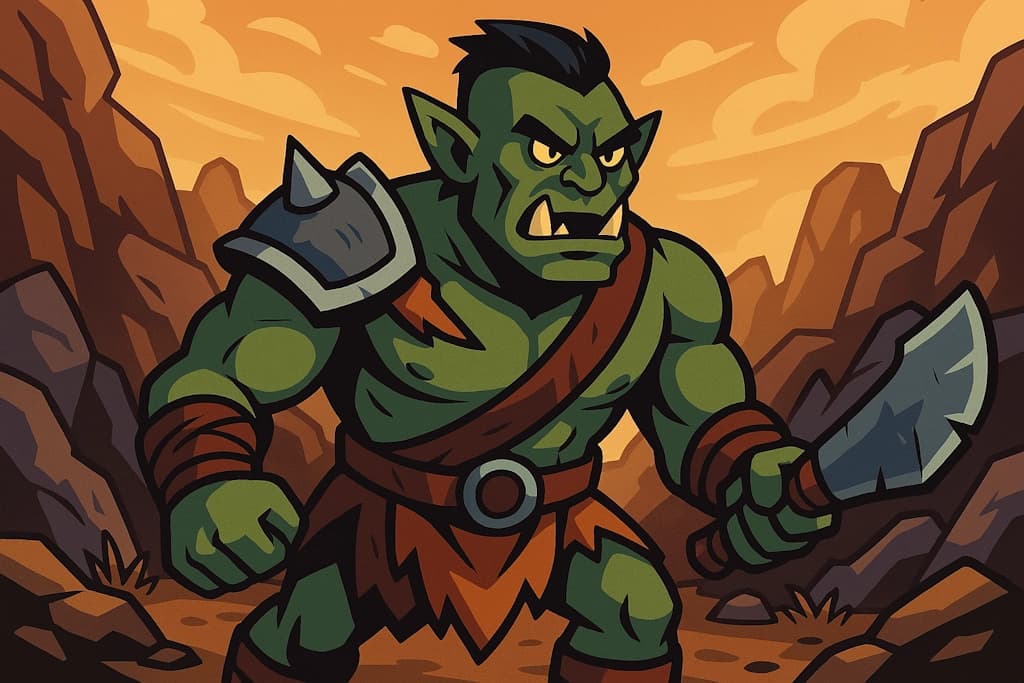
Orcs stand as one of fantasy's most enduring warrior races—powerful, fierce, and deeply rooted in traditions of honor and combat. From Tolkien's brutal servants of darkness to Warcraft's noble Horde, from Warhammer's green-skinned Waaagh! to D&D's complex tribal societies, orcs have evolved from simple antagonists into richly developed cultures with intricate naming traditions that reflect their values, history, and aspirations.
The perfect orc name carries weight—it should evoke images of battle-hardened warriors, echo with the harsh consonants of orcish tongues, and tell a story of clan heritage, personal achievements, or prophetic destiny. Whether you're creating a character for World of Warcraft, rolling up a half-orc barbarian for your D&D campaign, building an army in Warhammer, or writing your own fantasy epic, the right name sets the tone for everything that follows.
Use the matching Orcs Names without leaving the article. Pick a style, generate fresh names, and copy the good ones.
Style
Choose a style before generating.
6 names ready to copy.
Starter names from the generator
Orcs weren't always the complex characters we know today. The word "orc" itself traces back to Old English "orcneas"—a term for demons and evil spirits that appeared in Beowulf. J.R.R. Tolkien transformed this ancient word into a race of corrupted beings, servants of darkness bred specifically for war. His orcs bore names like Azog, Bolg, and Grishnákh—harsh, guttural sounds that matched their savage nature, much like those found in goblin naming traditions and troll nomenclature.
But something fascinating happened as fantasy evolved. Games Workshop's Warhammer franchise embraced the savage comedy of their "Orks," creating a culture that was brutal yet strangely appealing, with names like Ghazghkull Mag Uruk Thraka that somehow balanced menace with personality. Then Blizzard's Warcraft revolutionized everything—suddenly orcs weren't mindless monsters but a proud people with honor codes, spiritual traditions, and names like Thrall, Durotan, and Orgrim that carried dignity alongside power. These weren't villains anymore; they were heroes in their own right.
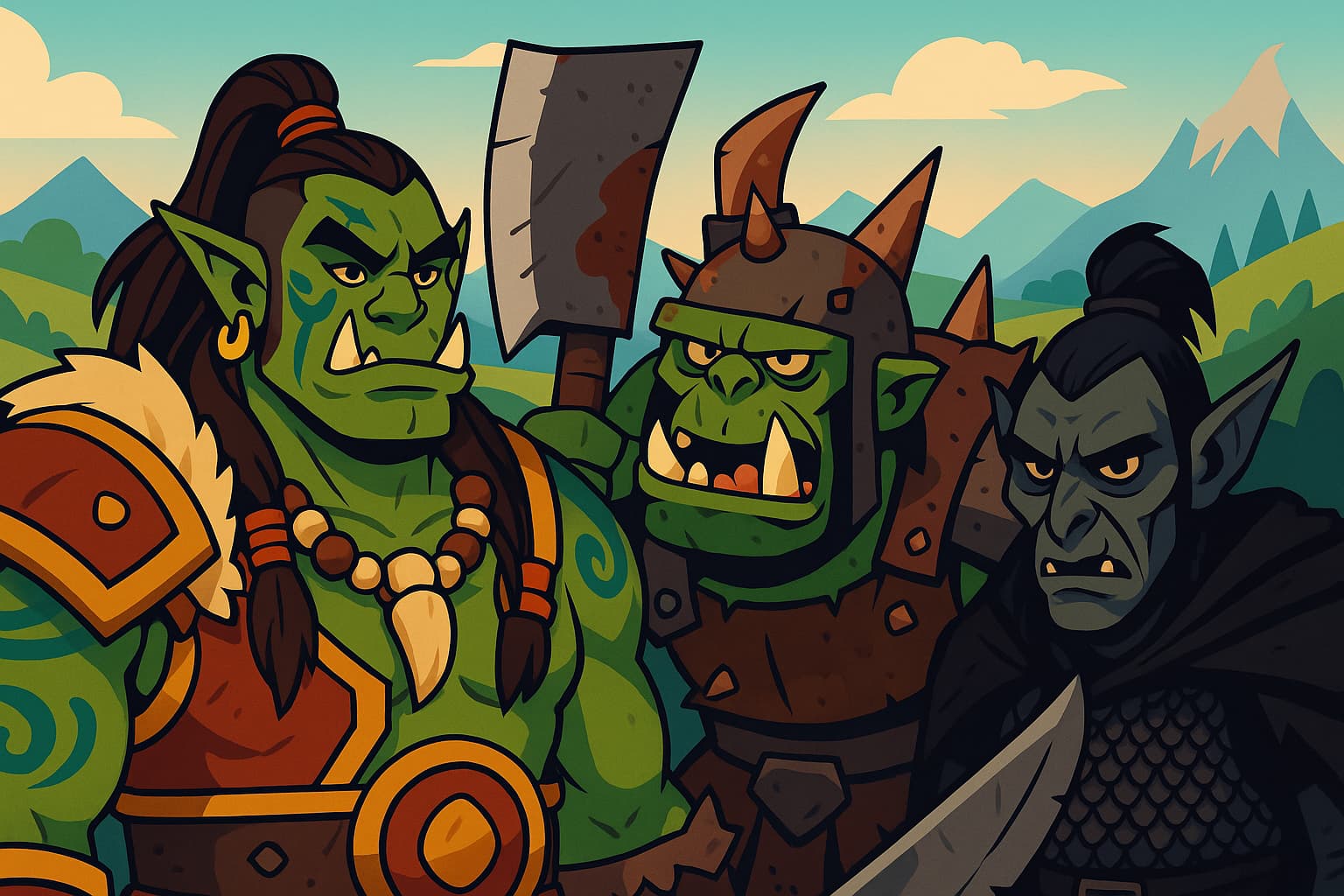
Listen to any orc name spoken aloud and you'll notice patterns—these aren't accidents but deliberate linguistic choices that reflect orcish physiology and culture. The prevalence of harsh consonants like K, G, Z, and R mirrors the deep voices and prominent tusks of orc anatomy. Try saying "Grom" or "Thrall" or "Azog" with your mouth barely open—these names demand the speaker's jaw to work, requiring physical presence even in pronunciation.
Traditional orcish names rarely use soft sounds like L or flowing vowel combinations. When softer sounds appear, they're typically in female names or among orcs with spiritual callings—Draka, Aggra, Ner'zhul. Even then, the names maintain aggressive undertones, refusing to sound delicate despite gentler elements. This reflects a culture where even healers and shamans must survive in brutal conditions.
Many orcs carry compound names or earn titles through deeds. Grom Hellscream wasn't born with that surname—his battle cry became so terrifying that "Hellscream" attached itself to his legend. Kargath Bladefist literally replaced his severed hand with a blade, transforming mutilation into identity. Kilrogg Deadeye sacrificed an eye for prophetic visions, wearing his loss as a badge of spiritual power.
This tradition of earned names creates rich storytelling opportunities. A young orc might be simply "Throk," but after surviving a dragon attack, he becomes "Throk Scalebreaker." Years later, leading his clan to victory, he might be known as "Throk Scalebreaker the Unifier." Each addition tells a chapter of his life, building legend with every syllable.
Orc clans aren't just military units—they're family, identity, and legacy wrapped into one. The Frostwolf Clan produces names emphasizing endurance and wisdom, like Durotan and Drek'Thar. The Warsong Clan favors aggressive, battle-focused names like Grommash—names that would feel right on a barbarian warrior. The Bleeding Hollow embraces spiritual sacrifice, while the Blackrock emphasizes industrial might and conquest, often rivaling dwarven clans in their mastery of forge and mine.
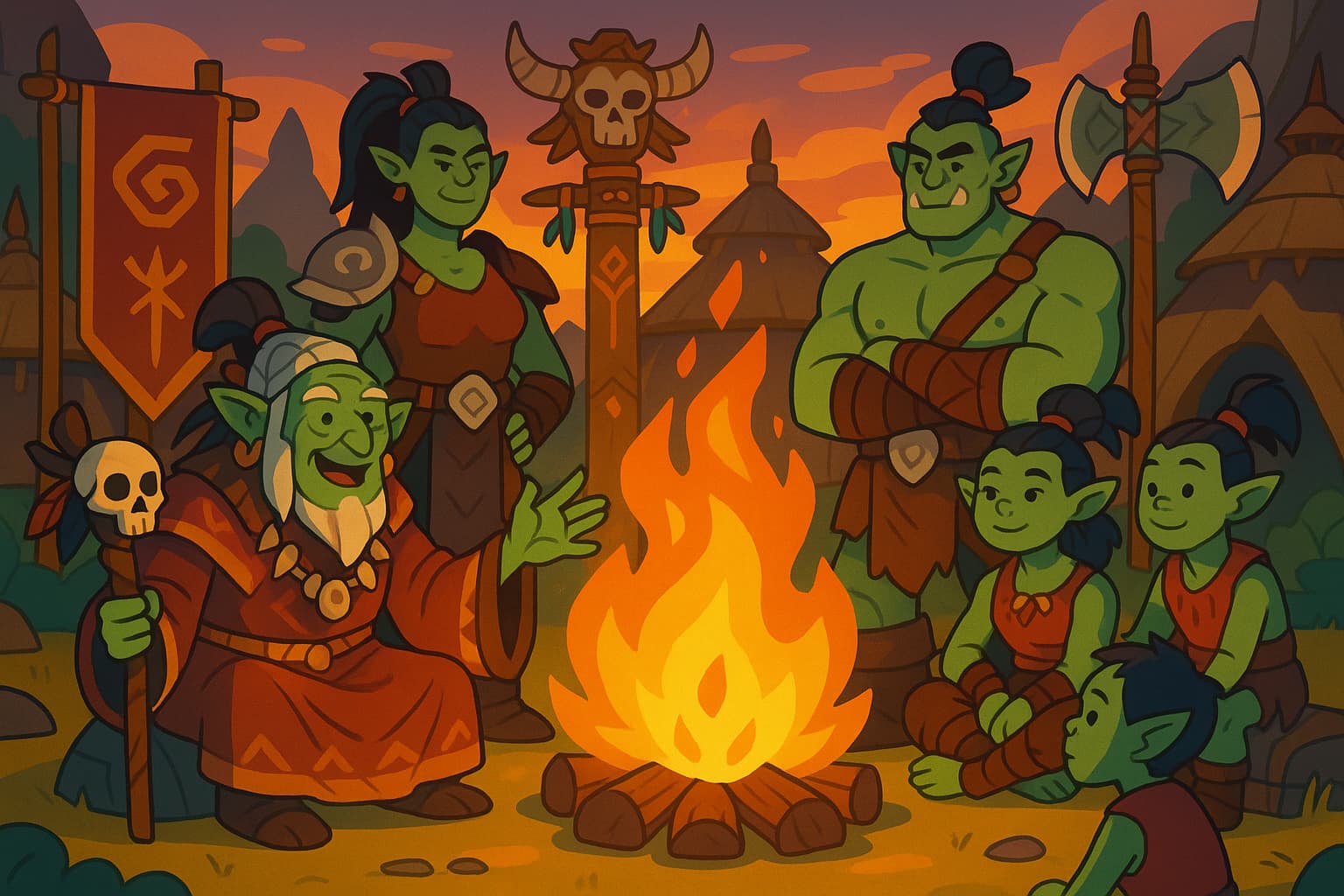
Elder Scrolls orcs use distinctive prefixes: "gro-" for males (Gortwog gro-Nagorm) and "gra-" for females (Ghorza gra-Bagol), directly announcing both gender and clan affiliation. This practical approach reflects orcish efficiency—why waste time establishing identity when your name declares everything immediately? It's cultural shorthand that tells experienced observers your entire background in three syllables.
Orc clans adapt to their environments, and names reflect these adaptations. Northern clans like the Frostwolf incorporate ice, snow, and cold into their naming conventions—Frostmane, Icefang, Winterclaw. Desert-dwelling orcs favor names evoking heat, sand, and storms—Dunestalker, Sunscorch, Sandreaver. Swamp-dwelling clans use names suggesting mud, poison, and ambush tactics— Bogcreeper, Venomfang, Marshstalker.
These environmental names aren't just descriptive—they're survival strategies encoded into language. An orc named Mudcrawler likely mastered swamp navigation, while Cliffscaler suggests mountain expertise. Names become resume, warning, and tribal knowledge simultaneously, telling allies where an orc's skills lie and enemies what to fear.
Building an authentic-sounding orc name requires understanding the underlying patterns that make these names work. Here's how to construct names that feel genuinely orcish while avoiding generic fantasy tropes.
For complementary fantasy naming, explore our gargoyle names for stone-based creature ideas, or check out demon names for darker fantasy characters.
Some orc names transcend their original stories to become cultural touchstones. Thrall—ironically named for his enslavement—became World of Warcraft's most iconic hero, transforming from slave gladiator to liberator, shaman, and warchief. His story proved orcs could be noble without losing their essential nature, that honor and ferocity weren't contradictory.
Grimgor Ironhide from Warhammer represents the opposite end of the spectrum—pure, distilled orcish violence. He doesn't seek redemption or understanding; he exists to fight, and his name has become synonymous with unstoppable combat prowess. Between these extremes lie figures like Durotan, the wise chieftain who resisted corruption, and Gul'dan, the warlock whose name became a curse among his own people.
These legendary names teach us something crucial: the best orc names carry weight beyond their sound. They hint at personality, suggest backstory, and promise specific types of stories. When you hear "Varok Saurfang," you expect honor and military expertise. "Kilrogg Deadeye" suggests sacrifice and mysticism. "Garrosh Hellscream" practically screams aggressive pride and controversy.
Orcish spirituality adds fascinating complexity to naming conventions. Shamans often carry names that reflect elemental connections—Earthmender, Stormcaller, Flameheart. These aren't just titles but descriptions of spiritual bonds that define their entire existence. A shaman named Drek'Thar doesn't merely study the elements; he embodies ancient wisdom and serves as a living bridge between physical and spiritual realms.
The fallen shaman Ner'zhul presents a cautionary tale encoded in a name. Once the greatest spiritual leader of his people, his pride led to catastrophic corruption. His name remains spoken but with hushed reverence—a reminder that even the mightiest can fall. This tradition of remembering failures through names ensures cultural lessons survive generations.
Your orc's name is the first step in building a compelling character. Whether for tabletop RPGs, video games, or creative writing, these principles will help you create names that enhance rather than distract from your character concept.
For honorable orcs following codes of conduct, choose names with clear, strong sounds—Thorgrim, Korgath, Durotan. Avoid overly aggressive or violent elements. Add earned titles like "the Just" or "Oathkeeper" that reflect moral codes. These names work perfectly for paladin orcs, honorable warriors, or tribal leaders seeking peace.
For pure combat-focused characters, embrace violence in naming—Skullcrusher, Bonereaver, Bloodfist. Use repeated harsh consonants and aggressive compound words. These names immediately establish your character as dangerous, primal, and uncompromising. Perfect for barbarians, gladiators, and raid bosses.
Shamanic names incorporate elemental or spiritual terms—Earthcaller, Stormwhisper, Spiritwalker. These names can be slightly less aggressive while maintaining orcish phonetics. Add descriptive elements that hint at mystical powers or wisdom. Ideal for spellcasters, healers, and spiritual guides.
For orcs living in civilized settings, consider profession-based surnames— Ironforge (blacksmith), Goldtooth (merchant), Silverfang (diplomat). These names bridge traditional orcish sounds with cosmopolitan roles, perfect for urban campaigns or post-conflict settings where orcs integrate into broader society.
Today's fantasy doesn't limit orcs to simple antagonists or even traditional warriors. We see orc scholars, merchants, diplomats, artists—and their names reflect these expanding roles. An orc professor might be "Garrak the Civilized," the title both honoring his education and acknowledging how unusual it is. An orc merchant could be "Mograth Goldtooth," wealth displayed literally in a golden replacement tooth.
This evolution creates interesting tensions in naming. Do reformed orcs abandon violent ancestral names? "Vazgar the Redeemed" keeps his aggressive first name while adding a title showing transformation. Does an orc raised among elves carry an elvish-sounding name, or do adoptive elf parents choose an orcish name to honor his heritage? These questions create rich storytelling opportunities.
Modern fantasy increasingly explores what happens when orcs interact long-term with other races. Half-orcs carry this complexity in their very being, and their names often reflect dual heritage. A half-orc might be "Marcus Throk," combining a human first name with an orcish surname. Or "Thrakka Silverhand," using an orcish name with a traditionally elvish-style epithet.
The most interesting modern orc names challenge expectations while maintaining authenticity. "Othgar Moonblade" sounds almost elvish but maintains orcish harsh consonants. "Reshka Whisperwind" combines gentle sounds with traditional structure, creating a name that's undeniably orcish yet suggests grace. These names expand what's possible while respecting established traditions.
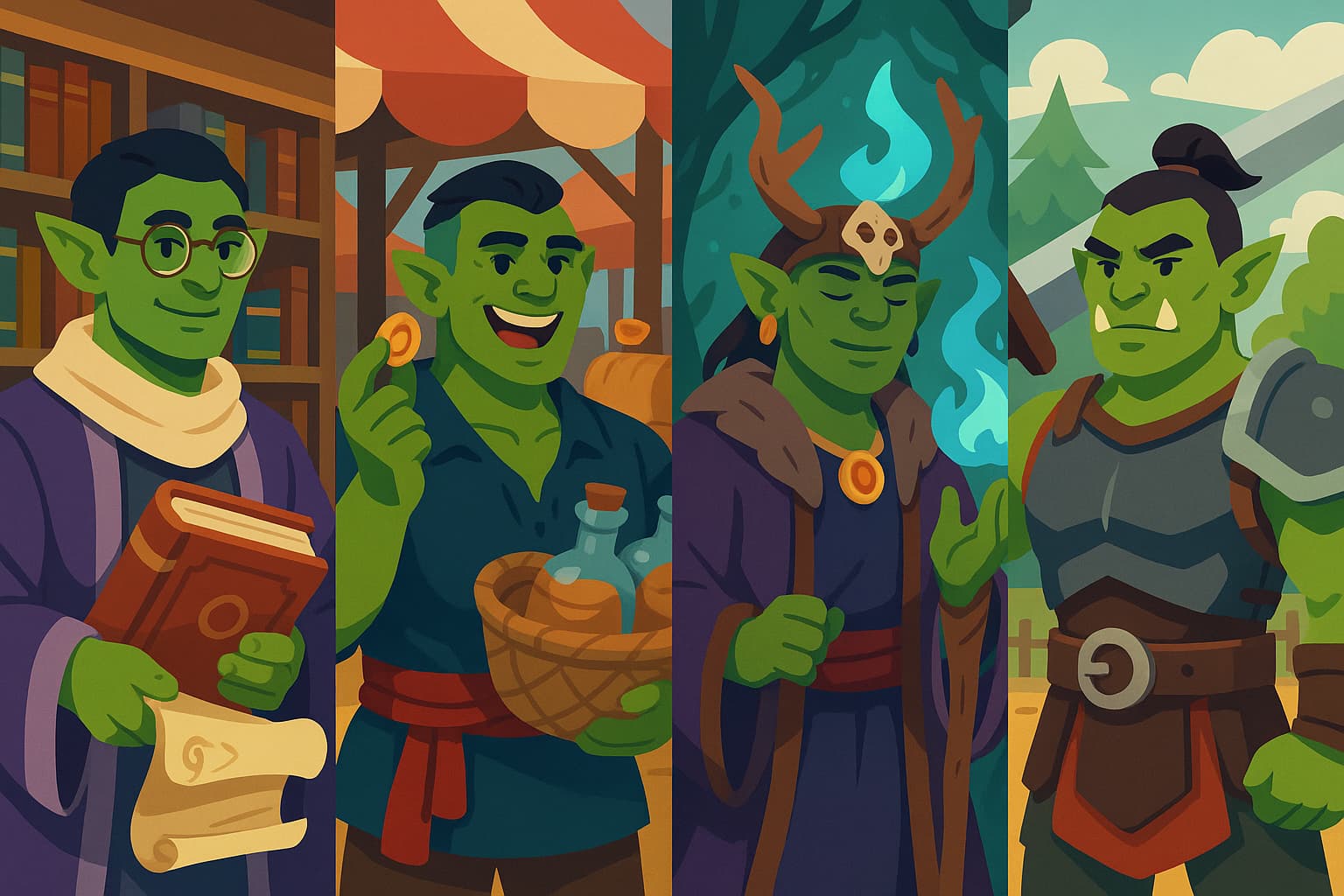
Below you'll find carefully curated lists of orc names organized by type and tradition. For a broader look at naming patterns across all fantasy races, explore our guide to fantasy names by race. Each name includes context about its meaning, cultural significance, or suggested character applications. Whether you need a fearsome warlord, a wise shaman, a noble clan leader, or something entirely unique, these lists provide authentic options grounded in fantasy tradition.
These names carry the weight of legend—drawn from Warcraft, Warhammer, Tolkien, and Elder Scrolls lore. Each represents a significant figure whose actions shaped their world. Use these when you need a name that immediately communicates power, history, and importance. Perfect for campaign bosses, legendary ancestors mentioned in backstories, or player characters with epic destinies. These aren't just names; they're reputations waiting to be earned or lived up to.
These classic orcish names emphasize the harsh phonetics and aggressive sounds that define traditional orc culture. Each name carries cultural weight, suggesting strength, endurance, and warrior heritage. Use these for standard orc fighters, tribal warriors, hunters, and craftsmen—the backbone of orcish society. These names work across all fantasy settings, from brutal Tolkien-style antagonists to honorable Warcraft heroes. They sound authentic whether shouted across battlefields or spoken in clan councils.
Female orc names maintain strength while incorporating slightly softer phonetic elements—but make no mistake, these are names for warriors, shamans, and leaders who command respect through power. Orc women in fantasy are never delicate; they're fierce mothers, deadly fighters, and respected clan elders. These names work for any strong female character, from front-line warriors to spiritual guides, blacksmiths to battle-mages. Each balances feminine identity with orcish cultural values of strength and honor.
Clan names represent collective identity, shared history, and cultural values. These names work as surnames, tribal affiliations, or military unit designations. Each clan name suggests specific traditions, combat styles, or environmental adaptations. Use these to add depth to character backgrounds—knowing someone is from the Frostwolf Clan immediately tells you about their values, while Burning Blade suggests darker paths. Perfect for world-building and giving player characters instant cultural context.
These aren't birth names but earned titles that become inseparable from identity. Warlord titles commemorate specific achievements, describe combat styles, or invoke terror in enemies. Add these to basic names for instant characterization—"Throk" becomes "Throk Skullcrusher" and immediately you know his reputation. Use these for veteran characters, legendary villains, or as goals for player characters to earn through epic deeds. A character's title should tell a story about their greatest victory or most infamous action.
Shamanic names reflect spiritual connections to elements, ancestors, and natural forces. These names often incorporate terms for earth, fire, wind, water, or spirit, suggesting mystical powers beyond physical combat. Use these for orc spellcasters, healers, spiritual advisors, and those who serve as bridges between physical and spiritual realms. Shamanic names can be slightly less aggressive than warrior names while maintaining orcish phonetic patterns, reflecting wisdom alongside strength.
Contemporary fantasy explores orcs beyond traditional warrior roles, and these names reflect that evolution. Find names here for orc scholars, merchants, diplomats, artists, and professionals integrating into cosmopolitan societies. These names often combine traditional orcish sounds with earned titles that describe non-combat achievements—"the Scholar," "the Architect," "the Peacekeeper." Perfect for post-conflict settings, urban campaigns, or stories exploring what happens when warrior cultures adapt to peaceful coexistence.
Creating an authentic orc name requires understanding their warrior culture, clan traditions, and brutal heritage. Follow these steps to craft the perfect name for your orc character:
Choose a naming style that reflects orcish values: Traditional orcs favor aggressive, battle-themed names; Clan-based names include lineage or tribal affiliations; Warlords and chieftains have titles denoting conquest; Shamans use spiritual or elemental references; Modern fantasy orcs may have more nuanced names.
Reference martial prowess and battle achievements: names celebrating strength (Ironjaw, Bonecrusher), weapons (Axebearer, Bladefist), victories (Skullsplitter, Manslayer), or fearsome reputation. Orc names often serve as warnings to enemies.
Create names with aggressive phonetics using hard consonants like K, G, R, Z, and throaty sounds. Orc names should sound brutal and intimidating, reflecting their warlike nature. Apostrophes and rough consonant combinations add authenticity.
Many orcs carry clan names or familial identifiers: "son/daughter of," clan appellations (Bloodfang, Blackrock), or territorial designations. These names establish identity within orcish society and demonstrate allegiance to specific warrior traditions.
Use the orc name generator tool to create powerful warrior names that capture the brutal strength, clan pride, and fearsome reputation of these legendary fighters.
Ready to generate the perfect orc name for your character? Our orc name generator creates authentic-sounding names following all the linguistic patterns and cultural traditions explored in this guide. Generate names for male and female orcs, experiment with clan affiliations, or discover unique combinations you hadn't considered. For complementary character creation, explore our elven names for creating rival races, or check out our wizard names if your orc has magical abilities beyond shamanism. Discover more fantasy races with our troll names , dwarf names , or goblin names.
Orcs were popularized by J.R.R. Tolkien in The Lord of the Rings, where they appear as corrupted creatures bred for war. The word itself has roots in Old English and Italian folklore.
In Dungeons & Dragons, orc names are typically short and guttural with hard consonants. Warcraft orcs use a more shamanistic naming style, often incorporating clan references and honorific titles.
Use harsh consonants like K, G, Z, and R combined with short, punchy syllables. Adding apostrophes or guttural stops between syllables enhances the brutish, aggressive feel typical of orc language.
Yes. Tolkien created the Black Speech for his orcs, while Warcraft developed Orcish as a full constructed language. Most fantasy RPGs give orcs tribal cultures with distinct dialects and naming traditions.