
Loading...
Loading...
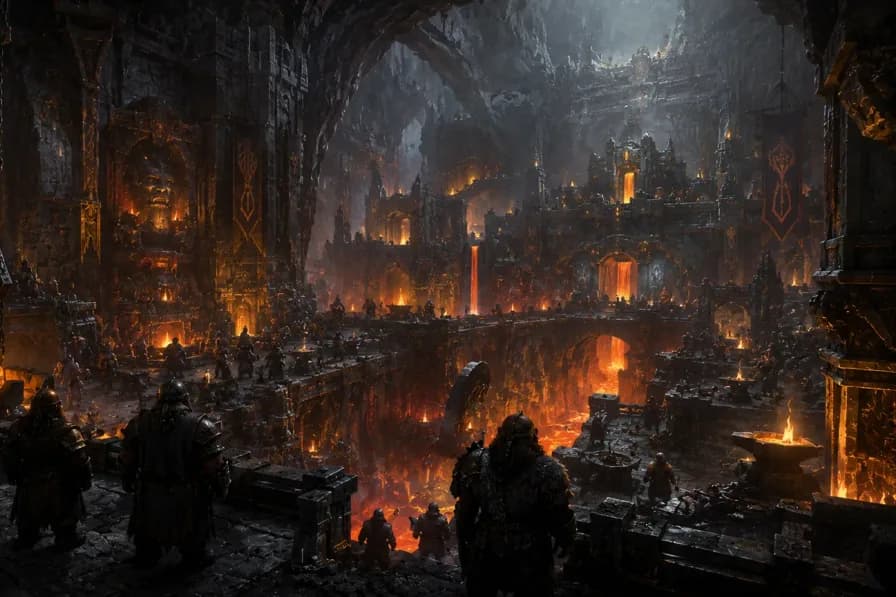
A dark dwarf naming guide with 250+ duergar names for RPG characters, Underdark clans, harsh tunnel warriors, forge tyrants, and gray dwarf villains.
Duergar names should feel like they were pressed under stone until every soft edge cracked. They are still dwarven names at the core: compact, sturdy, full of hammers, anvils, oaths, and clan weight. But where surface dwarves often sound proud or heroic, duergar names carry the aftertaste of the Underdark: ash in the beard, iron around the wrist, grudges counted like coins, and tunnels where no song echoes back. This guide gathers male duergar names, female duergar names, clan names, Underdark names, harsh-sounding names, and forge or slave-lord names for tabletop characters and fantasy writing. Use the lists directly, mix first names with clan epithets, or open the duergar name generator when you want instant dark dwarf combinations.
Use the matching Duergar Names without leaving the article. Pick a style, generate fresh names, and copy the good ones.
Style
Choose a style before generating.
6 names ready to copy.
Starter names from the generator
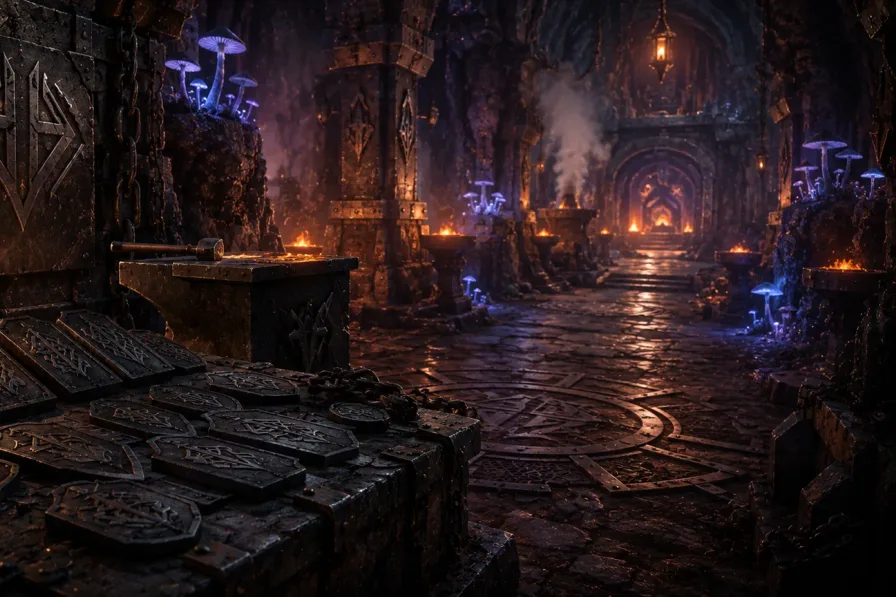
The easiest mistake is treating duergar names as ordinary dwarf names with a gloomy adjective glued on. That gives you something like Grim Stoneaxe, which is serviceable, but it misses the flavor that makes gray dwarves memorable. In most fantasy tables, duergar are a whole society reshaped by exile, psychic pressure, brutal industry, and a worldview that treats freedom as a weakness other people failed to guard.
A surface dwarf name often points toward ancestry, craft pride, or heroic endurance. A duergar name can use the same materials but twist the meaning. Iron becomes Ironshackle instead of Ironshield. Stone becomes Stonebrand instead of Stonehelm. A forge is still a place of skill, but it may also be a place of quotas, punishments, and weapons made in silence. That darker angle is why names such as Dravok Deepbrand, Varka Ironshade, and Clan Vaultgloom feel specifically duergar rather than just dwarven.
The best duergar names do two jobs at once. They sound physically heavy, and they reveal a social pressure. A name can imply caste, guild, punishment, debt, or location. If your players hear Chainlord Varrum No-Echo, they already know this person commands fear and secrecy before you describe a single guard.
Duergar work because they turn a familiar fantasy archetype inside out. Dwarves already belong to stone, metal, and hidden halls. Gray dwarves push that inheritance deeper, into places where the rock is not homey but hostile. That shift should show up in the names. Deepdelve sounds adventurous for a heroic dwarf; for a duergar, it can sound like a sentence, a profession, and a warning all at once.
The Underdark also changes what counts as prestige. Surface cultures celebrate banners, songs, and visible monuments. Duergar power is more likely to live in sealed gates, secret warrants, black ledgers, and passages no outsider can map. That is why Underdark names benefit from place words: No-Echo, Blindshaft, Sablebridge, Hollowlake, Basaltgate. Each one gives the character a geography. The name tells you what sort of dark they understand.
If you are building a full subterranean campaign, contrast duergar with neighboring cultures. Elegant dark elf names often sound venomous and aristocratic, while duergar names feel industrial and contractual. The dark elf name generator can help create that sharper elven contrast beside a duergar clan that speaks in the language of tools, debts, and stone rights.
A duergar clan name should feel institutional, almost like a public record. It can be a mining charter, a punishment record, a forge license, a military unit, and a threat carved into the gate. Clan Ironshackle tells a very different story than Clan Coalheart even if both live in the same city. One suggests discipline and captivity. The other suggests furnace labor, endurance, and grim loyalty.
Think about what the clan controls before naming it. Ore rights produce names like Grimvein or Ashvein. Fortress work produces Duskmortar, Dreadmason, or Cinderbar. Political families lean toward Ironoath, Leadmantle, or Vaultgloom. A duergar clan that controls prisons might use Deepchain or Cragshackle not because they want to sound villainous, but because the chain is their livelihood, their symbol, and their warning to rivals.
Start with what the clan owns, then add the emotional cost of owning it. Duergar names become sharper when the material and the social role point in the same direction.
If your campaign uses several ancestry groups, keep each naming system distinct. The reference guide to D&D naming conventions by race is useful for making sure a duergar clan does not sound like an orc warband, a drow house, or a surface dwarf hold.
Duergar names need pressure. The sound should sit low in the mouth: dr, gr, kr, sk, th, br, g, k, v. Short vowels help too. Dravok, Kragg, Vorn, Skavra, Thokk, and Grusk are easy to say at the table, but they still feel like stone scraping against metal. That balance matters. A name can be harsh without becoming a spelling puzzle.
Read the name aloud before you commit to it. If you can imagine a guard barking it across a bridge, it probably works. If everyone needs to stop and ask where the apostrophes go, it will slow down play. The strongest dark dwarf names usually have one memorable hook: a brutal first syllable, a grim compound surname, or a title that tells you exactly what the character does.
For more ways to compare names in a scene, use our sound and readability guide as a set of drafting exercises. It does not establish why readers remember names, and an unfamiliar spelling is not inherently worse.
For RPG play, choose the name after you know the character function. A duergar merchant, exile, psionic spy, forge captain, and mine overseer should not sound interchangeable. Varka Ironshade could be a disciplined officer. Dremma Deepwhisper suggests a psychic infiltrator or information broker. Chainlord Varrum No-Echo is not subtle; that name arrives with a whole encounter premise attached.
Names also help the table understand moral texture. Not every duergar has to be a cackling villain. An exile named Karnum Ironoath might be rigid but honorable. A clan artisan named Huldra Blackanvil might be cruel in public because her city rewards cruelty, not because she lacks private doubt. Strong naming gives you room to make characters specific instead of flattening an entire people into one mood.
A name can do more than sound appropriate. It can tell the GM how to introduce the character, what other duergar expect from them, and what kind of conflict follows them into the scene.
Use short first names and hard surnames: Durgrom Chainfist, Kragg Vort, or Harska Gloomhammer. The name should sound like a command shouted through a low stone gate.
Choose forge and craft elements such as Blackanvil, Coldforge, Dreadmason, or Shadegear. These names make the character feel useful before they feel dangerous.
Add titles and institutional words: Warden, Forgelord, Chainlord, Vaultgloom, Ironquota, or Deepwrit. These names work best when the character represents a system as much as a personal threat.
Use a duergar-sounding name but soften the surname slightly: Karnum Ironoath, Morna Deepfen, or Brokkar Longdark. If you want a rougher neighboring culture, compare the rhythm with the orc name generator and keep the duergar version more compact and industrial.
Once you have a few strong duergar names, let them shape the map. Clan Blackquarry implies a basalt district. Clan Brinepick needs salt caverns, trade routes, or a bitter underground lake. Chainlord Grondal Deepwrit suggests courts where contracts are enforced by soldiers, not clerks. A name like Sablebridge almost demands a bridge scene over something the party would rather not fall into.
The most useful fantasy names create questions. Why is the clan called Hollowanvil? What happened at Throatstone? Why does one family use Underbrand while another treats brands as shameful? Answering those questions gives you factions, grudges, laws, myths, and adventure hooks with very little extra planning. If you need a brighter ancestral contrast, the Norse dwarf name generator gives you surface-dwarf weight without the same Underdark bitterness.
Duergar also work well beside goblins, orcs, and dark elves because each culture can occupy a different social texture. Goblins might sound quick and scavenged. Orc names often carry open violence and war-band energy. Duergar names feel managed, recorded, and engineered. Even cruelty has paperwork.
These male duergar names lean into gray dwarf weight: short first names, grim compound surnames, and details that suggest soldiers, smiths, miners, wardens, and clan elders. Use them for player characters, rivals, patrol captains, forge masters, or the one quiet adviser who knows where every sealed tunnel really leads.
Female duergar names should sound just as hard, practical, and status-aware as male names. These options fit forge matriarchs, clan officers, psychic spies, prison architects, grim artisans, and Underdark nobles who learned early that softness is something other people exploit.
Clan names are the quickest way to make duergar society feel organized. Each name here suggests a family business, a public reputation, or a long-running wound. Mix them with personal names when you need a noble house, prison guild, forge cartel, military clan, or bitter ancestral faction.
Underdark names work best when they carry geography. These names point toward fungal caverns, salt grottoes, black bridges, blind shafts, stone throats, and places where a surface map becomes useless. They are especially good for scouts, guides, smugglers, cave wardens, and settlement NPCs.
Sometimes you need a name that hits the table fast. These harsh duergar names use clipped syllables, strong consonants, and minimal ornament. They are ideal for guards, brawlers, mercenaries, mine bosses, and minor antagonists who need to be memorable without carrying a full clan history.
These names are built for duergar villains who represent oppressive systems: forge barons, wardens, taskmasters, chain captains, and rulers of brutal labor districts. Use them with care in play, framing the cruelty as something to challenge, overthrow, escape, or expose rather than as background flavor.
Need more dark dwarf names for a campaign, villain roster, clan vault, or Underdark city? Try the duergar name generator for instant gray dwarf ideas, then refine the result with the clan, forge, and phonetic patterns above.
Duergar names keep the hard consonants and craft imagery of dwarf names, but they lean darker: iron, shadow, chains, deep tunnels, grudges, and Underdark survival. A normal dwarf name might celebrate a clan hall or heroic weapon, while a duergar name often suggests pressure, secrecy, captivity, or work done far below the mountain.
Yes. These duergar names are designed for tabletop RPG characters, villains, clans, forge districts, and Underdark settlements. They are campaign-friendly original names, not official Dungeons and Dragons canon, so you can adjust spelling, titles, or clan elements to match your setting.
Good duergar clan names often use forge materials, prison imagery, bitter oaths, tunnel geography, and industrial status. Names like Ironshackle, Nightdelve, Coldanvil, and Vaultgloom tell players right away what the clan controls and why other people fear dealing with them.
Use two or three strong consonants, keep the name readable, and avoid piling on too many apostrophes or random letters. Kragg Vort feels harsh because it is short and heavy; a name with six consonant clusters in a row can turn into noise at the table.