Gargoyle Names: Etymology and Architectural Heritage
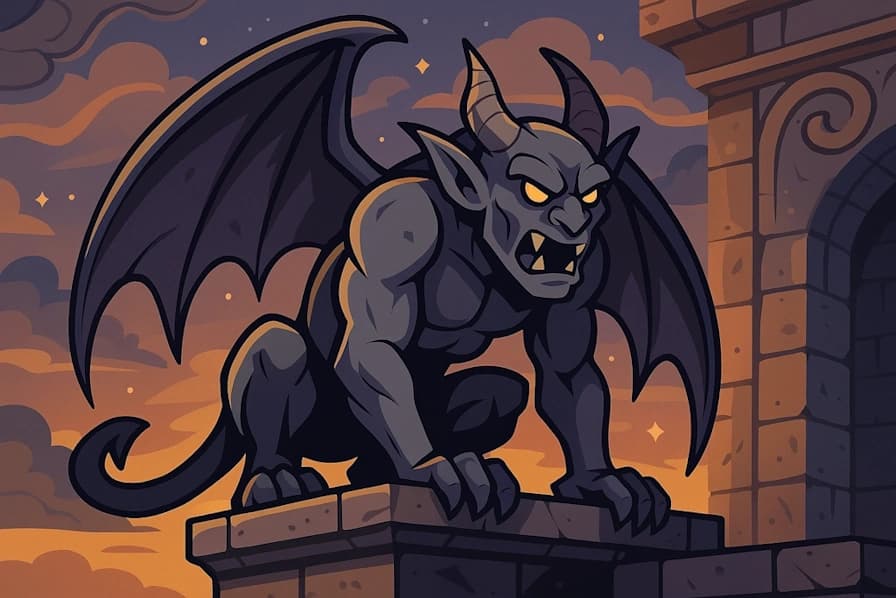
Gargoyle names (from Old French "gargouille", Latin "gurgulio", and Ancient Greek "γαργαρίζω" - gargarizō) represent a fascinating intersection of architectural history, mythology, and medieval folklore. These names reflect both their practical function as water spouts and their symbolic role as protective guardians, drawing on centuries of architectural, cultural, and linguistic history. For another tradition of created guardians, compare golem names.
Etymological Origins and Historical Development
The etymology of gargoyle names spans multiple languages and historical periods:
- French Origins:
- Old French "gargouille" - throat, gullet
- Medieval French "gargoule" - water spout
- Latin Connections:
- "Gurgulio" - throat, windpipe
- "Gargula" - throat, waterspout
- Proto-Indo-European:
- *gʷer- (to swallow)
- *ger- (to make a harsh sound)
🗿 Discover Top Gargoyle Names
Discover our collection of the most imposing and powerful gargoyle names!
View Top 220+ Gargoyle Names 🗿Architectural Naming Traditions
Medieval architectural practices influenced gargoyle naming conventions:
- Ecclesiastical Names:
- Latin church terms: "Custos" (guardian), "Vigil" (watchful)
- Biblical references: "Cherubim", "Seraphim"
- Craftsmen's Terminology:
- Technical terms: "Gargouillus" (water-throat), "Protector"
- Workshop designations: "Lapicida" (stone-cutter), "Sculptor"
Mythological Naming Patterns
Gargoyle names draw heavily from various mythological traditions:
- Greco-Roman Elements:
- Divine names: "Atlas" (bearer of heavens), "Aegis" (divine shield)
- Monster names: "Gorgon" (fierce gaze), "Chimaera" (hybrid beast)
- Celtic Influences:
- Guardian spirits: "Cernunnos" (horned one), "Dagda" (protector)
- Nature spirits: "Sidhe" (fairy mound), "Morrigen" (phantom queen)
Structural Naming Components
Modern gargoyle names often follow specific structural patterns:
- Primary Elements:
- Material-based: Stone-, Granite-, Iron-
- Element-based: Storm-, Night-, Shadow-
- Title Components:
- Function-based: -watcher, -guardian, -sentinel
- Attribute-based: -wing, -claw, -fang
Regional Variations and Cultural Adaptations
Different architectural traditions developed unique naming conventions:
- French Gothic:
- Notre-Dame tradition: Emphasis on demon-inspired forms and grotesques
- Chartres patterns: Focus on biblical and allegorical figures
- English Gothic:
- Cathedral styles: Integration of local folklore
- Collegiate patterns: Academic and ecclesiastical references
Functional Classifications in Naming
Names often reflect the gargoyle's specific architectural purpose:
- Water Spouts:
- Hydraulic terms: Aquifer, Rainbearer, Stormspout
- Directional terms: Northspout, Eastflow, Westguard
- Decorative Elements:
- Aesthetic terms: Grotesque, Chimera, Beast
- Symbolic terms: Watcher, Guardian, Protector
Modern Adaptations and Contemporary Usage
Contemporary media has evolved gargoyle naming conventions:
- Literary Interpretations:
- Fantasy literature: Complex personal names with titles
- Urban fantasy: Modern adaptations of classical names
- Media Representations:
- Animation: Character-driven names reflecting personality
- Gaming: RPG-style names combining multiple elements
Architectural History and Significance
Gargoyles emerged as essential architectural elements during the Gothic period (12th-16th centuries), serving the dual purpose of water drainage and spiritual protection. Their placement on medieval cathedrals and churches was methodical and symbolic, with master stonemasons creating elaborate naming systems to identify, catalog, and maintain these critical structural features across generations of ecclesiastical construction.
- Gothic Cathedral Development:
- Notre-Dame de Paris (1163-1345): Featured dozens of named gargoyles including "Le Stryge" (The Vampire), "La Chimère" (The Chimera), cataloged by position and iconographic theme
- Reims Cathedral (1211-1275): Employed systematic naming based on facade location: "Portail Nord" (North Portal) series, "Grande Rose" (Great Rose) guardians
- Chartres Cathedral (1194-1220): Gargoyles named according to biblical and allegorical significance, serving as "sermons in stone" for illiterate congregations
- Westminster Abbey (1245-1517): English tradition of naming gargoyles after donors, builders, or legendary creatures from British folklore
- Functional and Symbolic Purposes:
- Hydraulic Engineering: Names reflecting water management function: "Aquarius", "Pluvia" (rain), "Gutta" (drop), indicating drainage capacity and flow direction
- Apotropaic Protection: Spiritual guardian names like "Custos Sacrum" (Sacred Guardian), "Daemon Repellens" (Demon Repeller), embodying protective magic
- Educational Tool: Moral lesson names representing sins, virtues, or biblical narratives carved into stone for teaching purposes
- Architectural Identity: Master mason signatures hidden in gargoyle designs, with workshop-specific naming conventions identifying craftsmen guilds
- Medieval Workshop Traditions:
- Master Mason Systems: Hierarchical naming where principal gargoyles received elaborate titles while secondary figures got functional designations
- Guild Cataloging: Workshop ledgers recording gargoyle names, materials, placement dates, and maintenance schedules for ecclesiastical archives
- Apprentice Projects: Learning pieces named "Apprenticus" or marked with novice mason initials, distinguishable from master works
Gargoyle vs Grotesque: Technical Distinctions
The terms "gargoyle" and "grotesque" are frequently confused, but architectural historians maintain critical distinctions between these stone figures. Those differences shape the names: functional gargoyles, which act as water spouts, suit rain and drainage imagery, while decorative grotesques usually take symbolic or artistic names tied to their ornamentation.
- Technical Architectural Definitions:
- True Gargoyles: Carved stone waterspouts with channels running through their bodies, directing rainwater away from masonry walls. Etymology from "gargouille" (throat) reflects this hydraulic function
- Grotesques: Decorative stone carvings without water channels, serving purely ornamental and symbolic purposes. Derived from Italian "grottesco" (grotto-style) referring to Roman decorative art
- Chimeras: Specific category of grotesques featuring hybrid animal forms, named after the Greek mythological creature combining lion, goat, and serpent
- Hunky Punks: West Country English term for grotesques on Somerset and Devon churches, featuring squatting figures with distinctive regional characteristics
- Naming Convention Distinctions:
- Functional Gargoyle Names: Emphasize water management - "Rainbearer", "Stormchannel", "Aqueductus", "Pluvia Protector" (Rain Protector)
- Grotesque Names: Focus on appearance and symbolism - "The Howler", "Stone Demon", "Mocking Beast", "Guardian Spirit"
- Chimera Designations: Point to hybrid nature - "Lion-Serpent", "Eagle-Dragon", "Beast Composite"
- Regional Variations: Local terminology creating unique naming patterns - "Bizzario" (Italian), "Wasserspeier" (German water-spitter), "Gargouille" (French)
- Iconographic and Symbolic Differences:
- Gargoyle Symbolism: Names reflecting purification and cleansing themes, as water carries spiritual impurity away from sacred spaces
- Grotesque Symbolism: Names embodying moral lessons, representing sins (pride, greed, wrath) or virtues externalized in stone form
- Placement-Based Naming: Gargoyles named by drainage function, grotesques named by visibility and artistic prominence
Regional Variations in Gargoyle Design and Naming
European architectural traditions developed distinctly regional gargoyle styles, each with unique aesthetic characteristics and naming conventions reflecting local cultural values, available materials, and artistic preferences. Those regional differences give fantasy worldbuilders practical naming cues grounded in real historical and geographical contexts.
- French Gothic Tradition:
- Parisian School: Elaborate grotesque menageries featuring demonic imagery, with names like "Le Diable" (The Devil), "La Sorcière" (The Witch), "Le Dévoreur" (The Devourer)
- Burgundian Style: More naturalistic animal forms with heraldic influences, named after regional fauna: "L'Aigle" (Eagle), "Le Loup" (Wolf), "Le Renard" (Fox)
- Norman Patterns: Viking-influenced designs with dragon motifs, names incorporating Norse elements: "Wyrm de Rouen", "Dreki", "Serpent de Mer" (Sea Serpent)
- Champagne Region: Vineyard and agricultural themes reflected in names like "Vendangeur" (Grape Harvester), "Bacchus Guardian"
- English Gothic Variations:
- Early English (1180-1275): Austere designs with Anglo-Saxon naming conventions: "Wulfhere" (Wolf Guard), "Eadric" (Blessed Ruler), "Godric" (Good Ruler)
- Decorated Period (1275-1380): Elaborate naturalistic carvings with descriptive names: "Green Man", "Oak Keeper", "Leaf Guardian"
- Perpendicular Style (1380-1520): Heraldic beasts from English nobility: "Tudor Dragon", "Plantagenet Lion", "York Falcon"
- University Gothic: Oxford and Cambridge traditions featuring scholarly and mythological names: "Grammaticus", "Philosophus", "Architectus"
- German and Central European Styles:
- Rhineland Gothic: Technically sophisticated gargoyles with German compound names: "Wasserspeier" (water spitter), "Steinteufel" (stone devil), "Drachenwächter" (dragon watcher)
- Bavarian Tradition: Alpine and forest creature motifs named "Berggeist" (mountain spirit), "Waldschrat" (forest goblin), "Felsentroll" (rock troll)
- Holy Roman Empire Style: Imperial symbolism with Latin-German hybrid names reflecting political power and religious authority
- Italian and Mediterranean Approaches:
- Northern Italian Gothic: Classical influences with names from Roman mythology: "Gorgone", "Satiro", "Centauro", "Arpìa" (Harpy)
- Venetian Style: Byzantine and Islamic influences creating exotic names: "Grifo Orientale" (Eastern Griffin), "Leone Marciano" (Lion of St. Mark)
- Tuscan Renaissance: Humanistic approach with artistic rather than monstrous names: "Il Bello Terribile" (The Beautiful Terrible), "L'Espressivo" (The Expressive)
Stone Guardian Mythology Across Cultures
Stone guardian figures transcend European gargoyle traditions, appearing in diverse cultures worldwide with unique mythological contexts and naming conventions. These protective stone beings can inspire character names built around permanence, thresholds, and the idea of an immovable defender.
- East Asian Stone Guardians:
- Chinese Shishi (獅子 - Lion Dogs): Imperial guardian lions with names like "Fo Shi" (Buddha Lion), "Shi Wang" (Lion King), placed in pairs representing yin and yang principles
- Japanese Komainu (狛犬): Temple guardians descended from Chinese shishi, named "A-gyo" (mouth open - beginning) and "Un-gyo" (mouth closed - end) representing cosmic duality
- Korean Haetae (해태): Mythical fire-eating beasts carved as palace guardians, with names incorporating "화" (hwa - fire) and "수호" (suho - protection)
- Thai and Cambodian Yaksha: Giant demon guardians at temple entrances, named after Hindu-Buddhist protective deities: "Virūdhaka", "Dhṛtarāṣṭra", "Virūpākṣa", "Vaiśravaṇa"
- Middle Eastern and North African Traditions:
- Assyrian Lamassu: Winged bull-human hybrids with divine names like "Šēdu" (protective spirit) and "Apsasū" (wise one), guarding Mesopotamian palace gates
- Egyptian Temple Guardians: Sphinx figures and divine animal statues with names from Egyptian pantheon: "Sekhmet" (lioness), "Anubis" (jackal), "Thoth" (ibis)
- Persian Homa Birds: Mythical protective creatures carved on Persepolis and Zoroastrian fire temples, symbolizing divine blessing and royal legitimacy
- Islamic Architectural Guardians: Calligraphic and geometric protective designs with names from 99 Names of Allah: "Al-Hafiz" (The Preserver), "Al-Muhaymin" (The Guardian)
- Pre-Columbian American Stone Protectors:
- Aztec Temple Guardians: Jaguar warriors and eagle knights carved in stone, named "Ocēlōtl Yāōtl" (Jaguar Warrior), "Cuāuhtli Yāōtl" (Eagle Warrior)
- Maya Chaac Masks: Rain god representations on temple facades functioning as spiritual water guardians, named after directional Chaacs (East, West, North, South)
- Olmec Colossal Heads: Massive stone portraits of rulers serving as eternal guardians, each representing specific historical kings with dynastic names
- Inca Chakana Guardians: Stone protectors incorporating stepped cross symbolism, named after sacred mountains (Apus) and cosmic principles
- European Pre-Christian Traditions:
- Celtic Stone Warriors: Iron Age guardian figures with names from Gaelic tradition: "Cú Chulainn" (Hound of Culann), "Balor" (deadly gaze), "Dagda" (good god)
- Norse Stone Guardians: Carved protective figures at stave churches with names like "Þórr's Hammer", "Ægir's Ward", "Freyr's Shield"
- Slavic Protective Idols: Stone Zbruch-style figures representing protective deities: "Perun" (thunder god), "Veles" (earth god), "Mokosh" (earth mother)
- Greek and Roman Herms: Protective boundary markers topped with deity heads, named after Hermes and adapted to other gods: "Terminus" (boundary), "Priapus" (garden guardian)
Name Generation Methodology
This generator creates authentic gargoyle names by combining:
- Historical Elements: Drawing from architectural and ecclesiastical traditions
- Mythological References: Incorporating classical and medieval influences
- Functional Aspects: Reflecting architectural purpose and guardian roles
- Cultural Adaptations: Including regional variations and modern interpretations
Each generated name is built for stone guardians, cathedral sentinels, and fantasy creatures. The names keep the architectural heritage of gargoyles in view while leaving room for stories, games, and original settings.