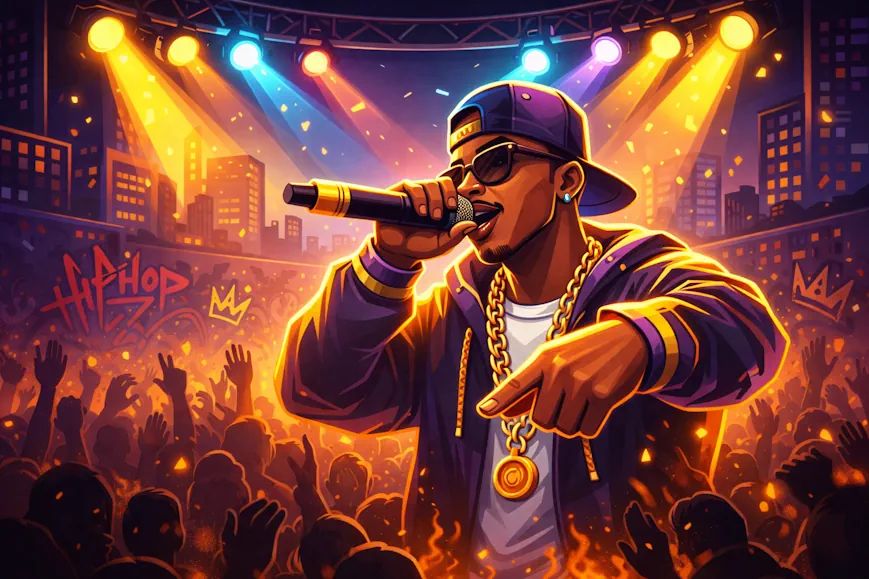
The History and Evolution of Rap Names
Rap names, also known as stage names or MC names, have been an integral part of hip-hop culture since the genre's inception in the 1970s. These names are more than stage names. They represent identity, style, and street credibility in the rap community. From the early days of hip-hop in the Bronx to today's global rap scene, artist names have evolved dramatically while maintaining certain core traditions.
The Golden Age: 1980s-1990s
The Golden Age of hip-hop introduced iconic naming conventions that still influence artists today. This era featured:
- DJ and Title Prefixes: Artists like DJ Jazzy Jeff, Grandmaster Flash, and Kool Moe Dee emphasized their DJ skills or street status
- Crew Designations: Names like Run-DMC and Public Enemy established group identity
- Street Names: Ice Cube, Ice-T, and Vanilla Ice used cold imagery to project cool, calculated personas
- Descriptive Titles: The Notorious B.I.G., Busta Rhymes, and Heavy D used names that described their style or physical presence
Modern Era: 2000s-2020s
The modern rap scene has seen dramatic shifts in naming conventions:
- The "Lil" Phenomenon: Starting with Lil Wayne's mainstream success, the prefix "Lil" became ubiquitous, spawning artists like Lil Baby, Lil Uzi Vert, and Lil Nas X
- Numbers and Symbols: Artists like 21 Savage, 6ix9ine, and $uicideboy$ incorporated numbers and symbols for distinctiveness
- Minimalist Names: Drake, Future, and Juice WRLD adopted shorter, more streamlined names
- Real Names: Artists like Chance the Rapper, Logic, and J. Cole kept closer to their given names
Regional Naming Influences
Different regions have contributed unique naming styles to rap culture:
- Southern Trap: Names like Gucci Mane, Waka Flocka Flame, and Chief Keef reflect street culture and luxury
- East Coast: The Notorious B.I.G., Nas, and Joey Badass maintain the lyrical tradition with meaningful names
- West Coast: Ice Cube, Snoop Dogg, and Kendrick Lamar blend street imagery with coastal cool
- Chicago Drill: Chief Keef, Lil Durk, and King Von emphasize street authority and royal imagery
Common Naming Elements
Modern rap names often incorporate these elements:
- Age/Status Prefixes: Lil, Young, Big, King, Baby, Lord
- Luxury Items: Diamond, Gold, Platinum, Cash, Chains
- Street Elements: Savage, Mob, Gang, Squad, Boss
- Natural Forces: Storm, Flame, Wave, Thunder, Smoke
- Mystical/Dark: Ghost, Shadow, Phantom, Devil, Soul
- Power Terms: King, Lord, Chief, Don, Ace, Boss
Choosing Your Rap Name
When selecting a rap name, consider these factors:
- Uniqueness: Search social media and streaming platforms to ensure your name isn't already taken
- Memorability: Choose something easy to remember and pronounce
- Brand Potential: Consider how the name will look on album covers and merchandise
- Authenticity: Make sure the name reflects your true style and personality
- Longevity: Pick a name that can grow with your career
- Cultural Sensitivity: Avoid appropriating names or terms from cultures you don't belong to
Legal and Professional Considerations
Before committing to a rap name professionally:
- Trademark Search: Check if the name is trademarked for entertainment purposes
- Social Media Availability: Secure handles across all major platforms
- Domain Names: Check if relevant domains are available for your website
- Google Search: See if there are any negative associations with the name
- Music Databases: Search Spotify, Apple Music, and other platforms for existing artists
Cultural Significance
Rap names are more than branding. They are cultural artifacts that reflect hip-hop's evolution, regional diversity, and the ongoing conversation about identity in music. From the politically charged names of the 1980s to the internet-influenced names of today, each generation of rappers has contributed to the varied mix of hip-hop naming traditions.
This generator combines elements from all eras of hip-hop, offering names that respect the culture's history while embracing modern creativity. Whether you're creating a character for a story, developing an online persona, or seriously considering a career in hip-hop, these generated names provide authentic starting points rooted in rap culture's diverse traditions.