Loading...
Loading...
CurrentOrc Male
Explore 8 styles for this generator. Switching styles refreshes the results automatically.
Use the copy icon to send any result to your clipboard.
Download fresh half-orcs names batches for drafts, campaigns, and prototypes.
4 results ready in Orc Male style.
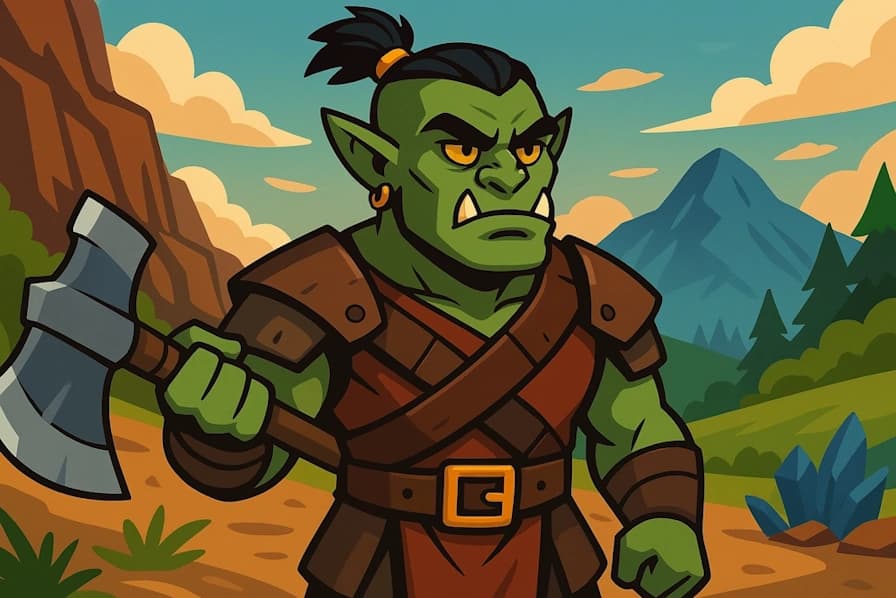
Generate names for beings caught between human civilization and orcish strength.
Browse 120+ half-elf names blending human warmth and elven music, with D&D naming tips, heritage patterns, and character ideas.
An editorial checklist for choosing and using a D&D character name. Earlier unsupported study and survey claims have been withdrawn.
A reference guide to D&D naming conventions for elves, dwarves, halflings, orcs, dragonborn, tieflings, and gnomes, with 100+ examples.
Half-orc naming conventions reflect their unique dual heritage, combining the harsh, guttural sounds of Orcish with the more diverse phonetics of human languages. The term "orc" itself has fascinating origins, first appearing in Old English as "orcneas" (evil spirits) and later popularized by J.R.R. Tolkien in his Middle-earth works. The concept of half-orcs emerged from modern fantasy literature and roleplaying games, representing the complex cultural intersection between human and orcish societies.
Half-orc names typically follow several distinct patterns:
Half-orcs appear prominently across fantasy media:
Memorable characters who have shaped the archetype:
Common elements in half-orc naming include:
Contemporary fantasy has evolved the half-orc archetype beyond traditional stereotypes. Modern names often reflect this complexity, embracing both heritages while forging unique identities. This evolution mirrors real-world discussions about mixed heritage and cultural identity, making half-orc naming conventions particularly relevant to current social dialogues.
The diversity in half-orc names represents their unique position as bridge-builders between two often-conflicting cultures. Their names often tell stories of acceptance, rejection, triumph, and the forging of individual identity in the face of societal expectations.